
Durian Malaysia: Best Varieties, Season & Local Culture Guide
If you really want to get what durian Malaysia has to offer, you’ve got to realize—it’s not just one kind of fruit. Malaysian durian comes in a huge range of flavors and textures, with over 20 popular types. You’ll find everything from the famous Musang King to the lesser-known Black Thorn.
Each type has its own quirks—think shape, taste, creaminess—so honestly, there’s something for everyone.
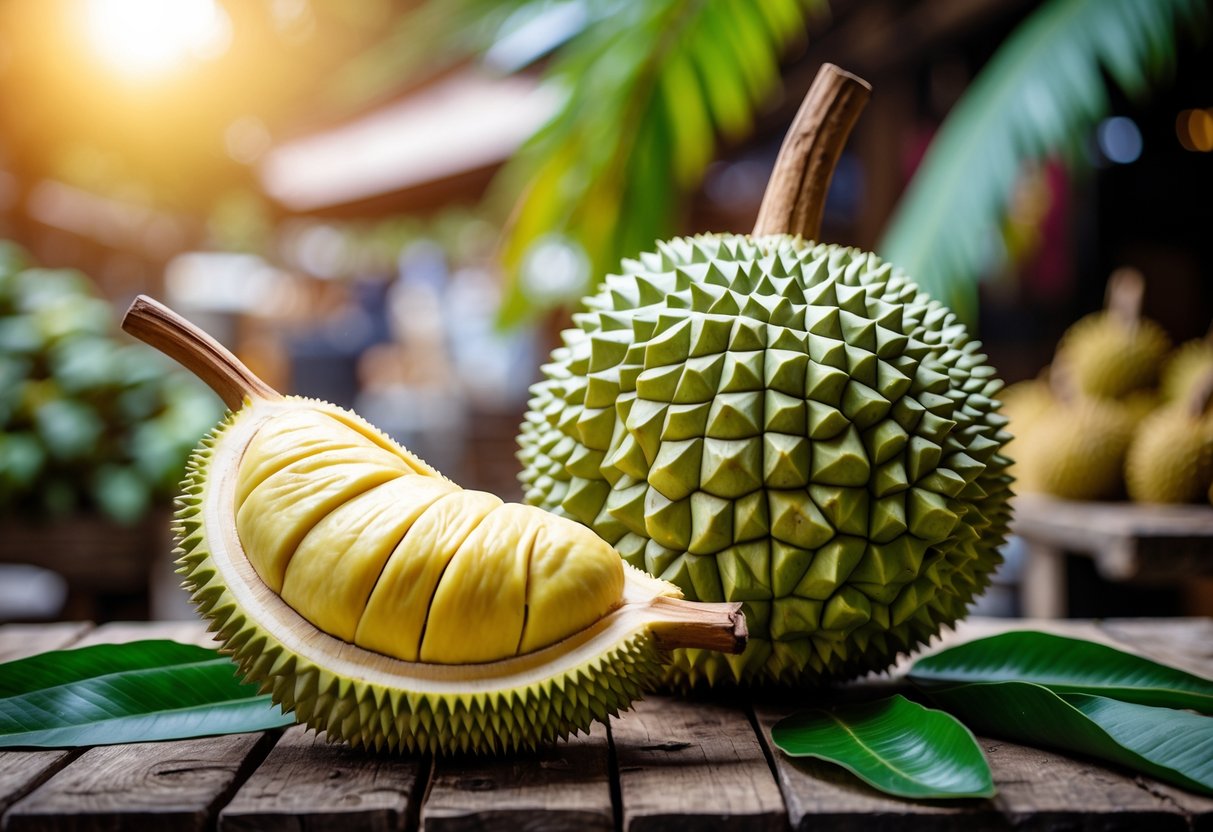
You’ll spot durians in Malaysia almost all year, but the real action happens from March to December when the season peaks. Different regions like Penang, Johor, and Kelantan grow their own varieties, each adding a twist to the fruit’s character.
If you’re after a sweet, rich bite or maybe something with a little bitterness, Malaysian durian won’t let you down.
Top Durian Varieties in Malaysia
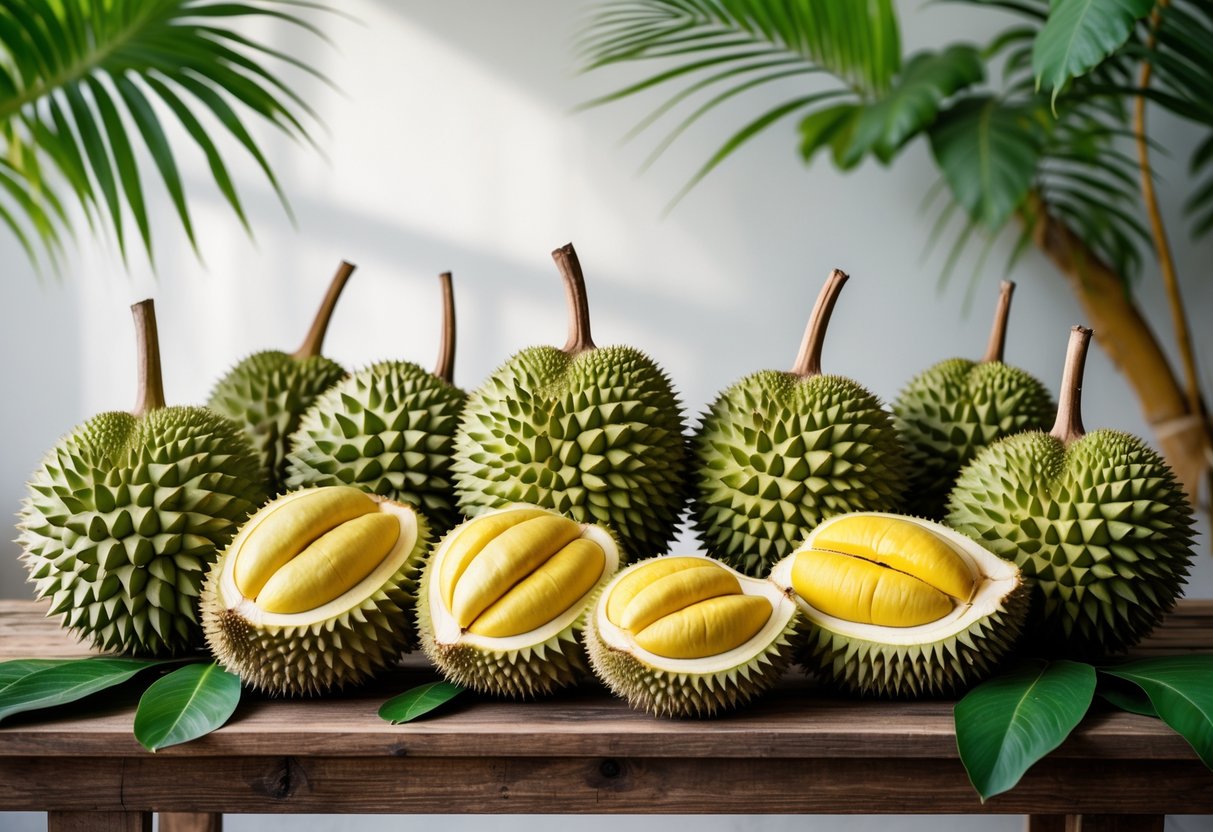
When you’re picking Malaysian durians, keep an eye (and nose) out for their unique taste, texture, and aroma. Each one gives you a different experience—some are rich and bitter, others creamy sweet.
Knowing these differences helps you track down the perfect durian for your taste buds.
Musang King (D197)
People rave about Musang King, also called D197 or Mao Shan Wang. It’s probably the most famous Malaysian durian.
The flesh is thick, creamy, and a deep golden-yellow. You get a blend of rich sweetness and just a hint of bitterness, which gives it a really balanced flavor.
You’ll spot it by its short, sharp spikes and a brownish-green color. The seeds are small and flat, so you get more of that luscious flesh.
It’s got this unique turmeric scent that makes it stand out. If you want that classic, intense durian hit, Musang King is the go-to.
Black Thorn (D200)
Black Thorn, or D200, has a dark stem and those sharp, dramatic thorns. The flesh is thick and buttery, with a deep yellow tone.
It starts off sweet and creamy, then a gentle bitter note sneaks in. There’s a complexity here that unfolds as you eat—pretty interesting, actually.
Fans love it for its rich, layered flavors. Plus, the seeds are tiny, so you get more to enjoy.
D24 Sultan
Durian lovers often chase after D24 Sultan for its strong, unforgettable aroma. The flesh can be deep yellow or a pale cream, and it’s super smooth.
Taste-wise, it’s sweet with a sort of boozy note that sets it apart. The spikes are medium and dense, and the fruit is usually round or oval.
It’s got moderate to small seeds, so it’s easy to eat. If you want a durian that’s rich and flavorful but not too bitter, D24 Sultan is a safe bet.
Red Prawn (D175)
Red Prawn, or D175, really pops with its reddish-pink flesh and soft, tender texture. The pods are oddly shaped—kind of like prawns, which is where the name comes from.
The taste is all about that intense sweetness, with just a little bit of bitterness in the background.
Penang grows most of these, and you’ll notice the oblong shape and soft, medium spikes. The flesh just melts in your mouth, so it’s perfect for those who like their durian smooth and sweet.
Small seeds are another bonus.
XO Durian
XO durian is all about its strong scent and that unmistakable alcoholic flavor. People often call it intoxicating, and honestly, it’s not for everyone.
It’s usually part of the D24 group, but you can tell it apart by its deep yellow or pale cream flesh and smooth, velvety feel.
The shape can be round or oval, and the spikes are medium and packed close together. The flavor is sweet, but there’s a sharp, almost fermented kick.
If you love bold, complex durians, XO might be your thing.
D101
D101 stands out with its striking red-tinged flesh, which can range from a rich red to a deep orange. The texture stays creamy and smooth.
The flavor is a mix of sweet and slightly sour, which gives your durian experience a little twist. This variety is large and oval, with short, packed spikes.
Medium-sized seeds make it easy to get at the flesh. Try D101 if you’re after something sweet but with a hint of tang—and the color’s pretty cool, too.
Seasonality, Culture, and the Durian Experience
Malaysians don’t just eat durian; they celebrate it. The fruit is tied to specific seasons, and people love enjoying it fresh at its peak.
If you get the timing right, know how to pick a good one, and maybe join a local durian party, you’ll really get what makes this fruit special.
Durian Season in Malaysia
The big durian season usually runs from June to August, though the exact timing shifts depending on the region and the weather. Markets and roadside stalls overflow with fresh durians during these months.
Some places even keep the harvest going into September.
Penang is especially famous for its orchards, drawing in locals and tourists alike. If you want the absolute best, check local durian calendars or tourism sites that list harvest periods.
That way, you can plan your trip when the fruit is at its peak.
Freshness and How to Enjoy Durian
Freshness makes all the difference. When you’re picking out a durian, look for a dry stem and give it a gentle shake—the flesh should sound soft inside.
Cracks or seams usually mean it’s ripe and ready to eat.
Once you’ve got your durian, don’t wait around—dig in soon for the best flavor and aroma. You can open it with a sharp knife, or just let a vendor handle it for you.
Durian Enthusiasts and Local Hotspots
Durian lovers—some folks call them durianmen—flock to certain spots for the best varieties. You’ll often find them hanging out at Kuala Lumpur’s markets.
If you’re in Penang, you might want to check out a guided durian tour.
Street vendors keep things interesting by coming up with new durian desserts all the time. The whole scene feels pretty lively, honestly.
When you meet locals at these events, it really adds something special. There’s just something about sharing a weird, spiky fruit that connects you to Malaysia’s durian tradition in a way you can’t get anywhere else.
Editor’s notes
Before this, we didn’t know much about sugar levels, fibre density, or seasonal cycles. Fruits became our classroom. Every batch teaches us something new.