
Banana Small: Types, Nutrition, and Health Benefits
Ever spotted a banana that’s much tinier than the ones you usually see? People call these mini bananas or baby bananas.
They taste sweeter, feel creamier, and pack in loads of nutrients like potassium, fiber, and vitamin B6. Not a bad pick for a snack or even tossing into a recipe.
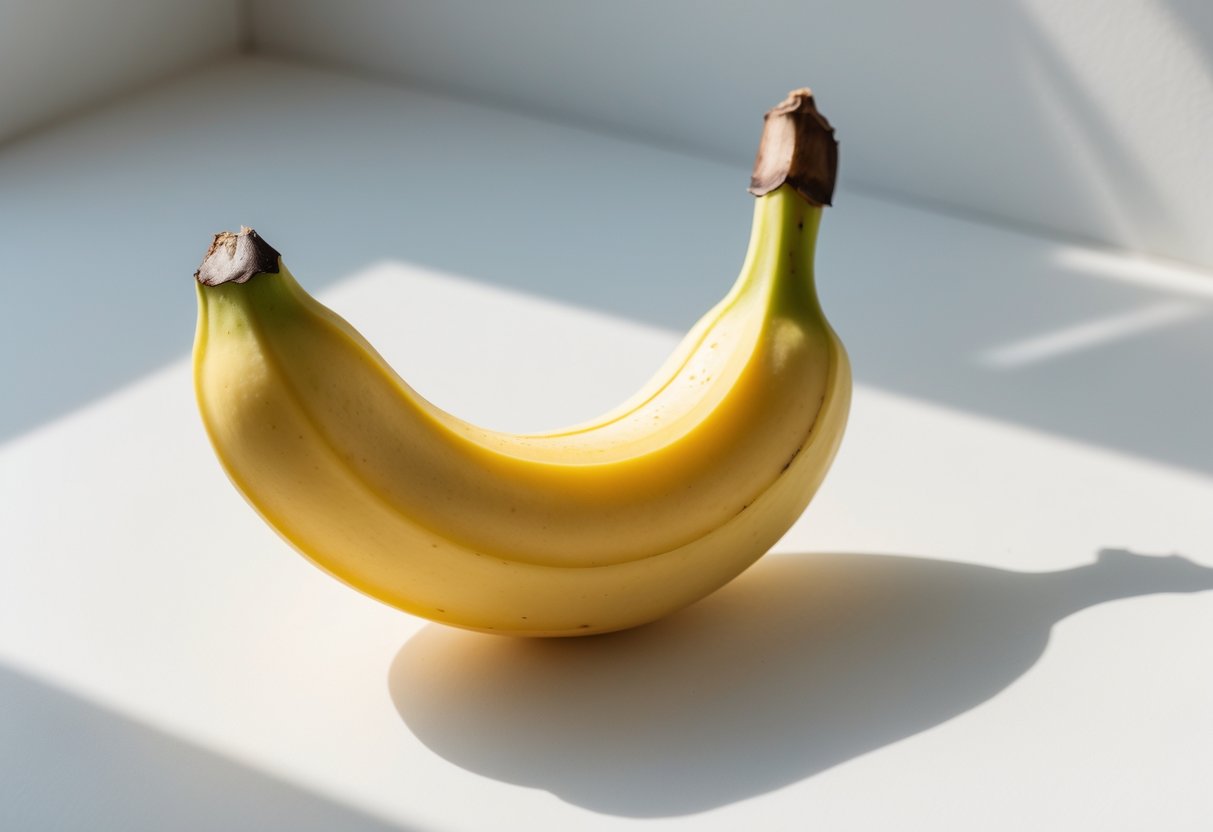
You’ll see mini bananas growing in tight clusters. Their soft, smooth skin peels away easily.
Because they’re small and full of flavor, people love eating them fresh or using them in baking and cooking. You can snack on them as-is, or toss them into desserts for a twist.
Depending on where you are, folks might call them Lady Finger or Sugar bananas. There are a bunch of names, honestly.
Knowing a bit about these little bananas? It helps you pick something new at the market and keeps your fruit bowl interesting.
What Is a Small Banana?

Small bananas aren’t just regular bananas in a smaller package. Their taste, size, and even variety set them apart.
If you’ve never tried one, you might be surprised at how different they are. Some types have unique flavors and work perfectly in certain dishes.
Definition and Characteristics
Most people call them mini or baby bananas. They usually measure somewhere between 3 and 6 inches long.
That size makes them super convenient—easy to toss in a bag or lunchbox. They’re part of the Musaceae family, same as the big ones, and grow in tropical regions.
You’ll notice these bananas taste sweeter and creamier than the bigger Cavendish bananas at the store. Their skins are thinner, and sometimes they’re less curved.
You can eat small bananas raw, dried, or cooked. They’re pretty versatile and always flavorful.
Popular Small Banana Varieties
There’s actually a handful of small banana cultivars out there. The Lady Finger Banana—some folks call it “finger banana”—is slim, really sweet, and doesn’t brown quickly. It’s great for fruit salads.
The Apple Banana pops up a lot in tropical areas. It has a tangy, sweet flavor that’s pretty unique.
Thailand’s Kluai Khai is another one. It’s tiny, smells great, and has a soft skin. People often eat it as a dessert banana.
You’ll also hear about Sugar bananas or dessert bananas. They come in small sizes and are famous for their sweetness. Farmers usually grow these in warm, tropical places where banana plants thrive.
How Small Bananas Differ from Regular Bananas
It’s not just about size—small bananas bring more to the table. Grocery stores usually sell the Cavendish, which is bigger (6 to 9 inches), less sweet, and has a thick peel.
Mini bananas are 3 to 6 inches, much sweeter, and have a softer, creamier inside. They pack more sugar per bite and less starch, which makes the flavor richer.
You’ll notice the firmer texture, too. That helps them hold up in recipes. The thin skin peels off fast, so they’re easy to prep.
Small bananas often keep their color and texture longer after you peel them. Their compact size makes them a smart snack or a fun way to mix up your fruit choices.
Nutritional Value and Health Benefits
Small bananas deliver a good mix of important nutrients and stay low in calories. They offer carbs for energy, fiber for your gut, and key vitamins and minerals for your heart, muscles, and immune system.
Calories and Macronutrient Profile
One small banana has about 90 calories. It’s light, but still gives you a nice energy boost.
Most of those calories come from carbs—around 23 grams—mainly natural sugars and starch. You get about 1 gram of protein and less than 0.5 grams of total fat. The fat is mostly unsaturated, with barely any saturated fat and zero cholesterol.
It’s a pretty balanced snack. You get energy without a bunch of extra calories or fat.
Vitamins and Minerals in Small Bananas
You’ll find small bananas are solid sources of several vitamins and minerals. They offer about 8% of your daily potassium, which your heart and muscles need.
You also get roughly 29% of your daily vitamin B6, which helps your brain and metabolism. There’s some vitamin C too, good for your immune system and skin.
Other minerals like magnesium, manganese, and copper show up in smaller amounts. You won’t really get vitamin D or vitamin A from them, but the rest still makes a difference for your health.
Dietary Fiber and Heart Health
Even though they’re little, small bananas have about 2.6 grams of dietary fiber. That fiber helps your digestion and keeps things moving.
It also helps you feel full, which is nice if you’re watching your weight. Plus, fiber can lower cholesterol.
Potassium teams up with fiber to help keep your blood pressure normal. That combo can lower your risk of heart disease.
Role in a Balanced Diet
When you add small bananas to your diet, you get natural sugars and fiber. There’s no extra fat or sodium sneaking in, which is pretty great.
They’re super convenient, and honestly, who doesn’t love an easy snack that’s actually good for you? Small bananas pack in nutrients whether you eat them on their own or toss them into a meal.
If you’re aiming for weight control or better heart health, these little bananas work well. They help keep your energy steady, too.
Try pairing them with a bit of protein or some healthy fats for a snack that actually fills you up. Or just slice one into your yogurt, oatmeal, or smoothie for a quick nutrition boost.
Editor’s notes
There was a day when things were hectic — delayed shipments, rain, and a rush of orders. In the middle of all that, we received a simple message from a customer: “My kids loved the grapes. They said it tasted like candy.” That one line brightened the whole warehouse. It reminded us why we go through the trouble every day. eFreshFruit.com isn’t just about selling fruit; it’s about creating small moments of joy in homes. Sometimes, one heartfelt message is more motivating than a hundred orders.