
Small Tangerine: Nutrition, Health Perks, and Culinary Inspiration
If you’re after a snack that’s both delicious and good for you, small tangerines really hit the spot. They’re packed with vitamins A and C, fiber, antioxidants, and potassium, all of which help your immune system, digestion, and blood pressure.
Their sweet, juicy flesh is just so satisfying, and you can peel them in seconds—super convenient when you want something quick.
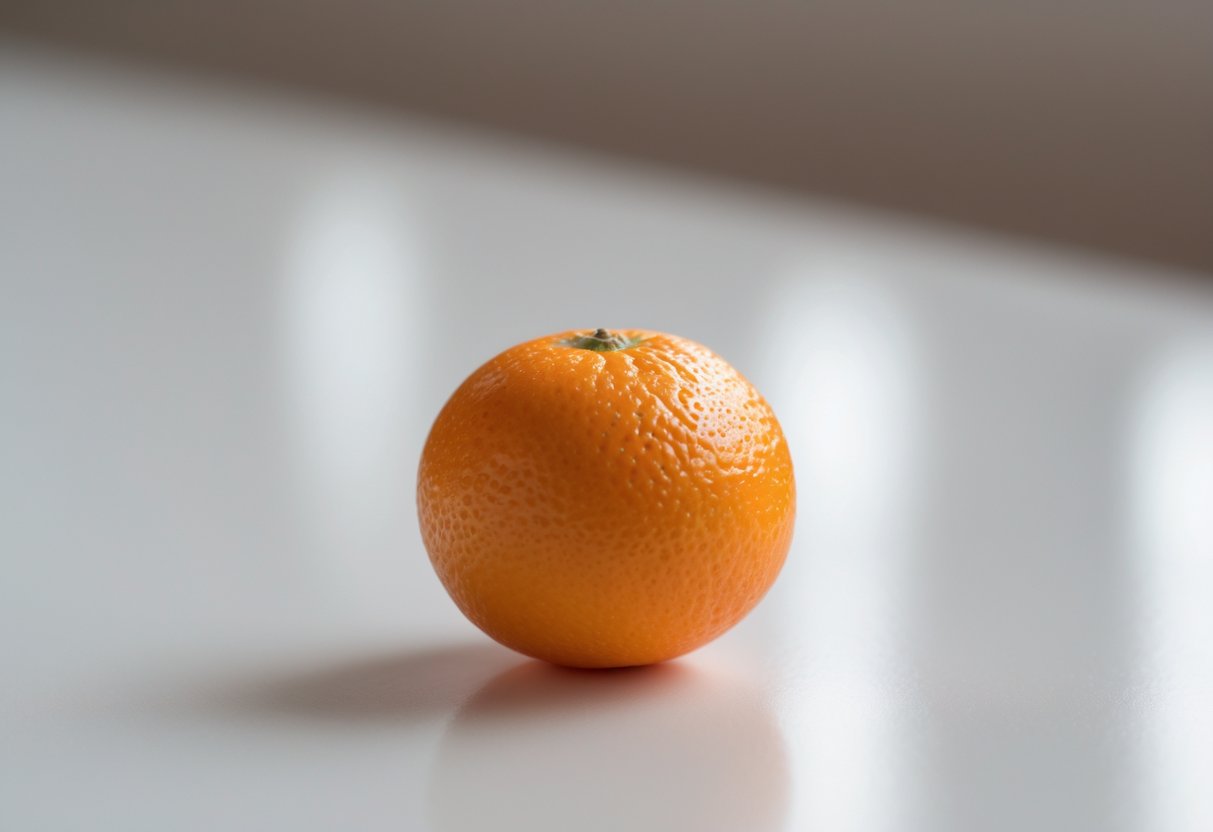
Besides offering nutritional benefits, small tangerines are surprisingly versatile. Eat them fresh, toss them in desserts or juices, or even use the leaves for infusions.
People also use their natural oils in skin and hair care products, so there’s more to them than just snacking.
Small Tangerine Overview
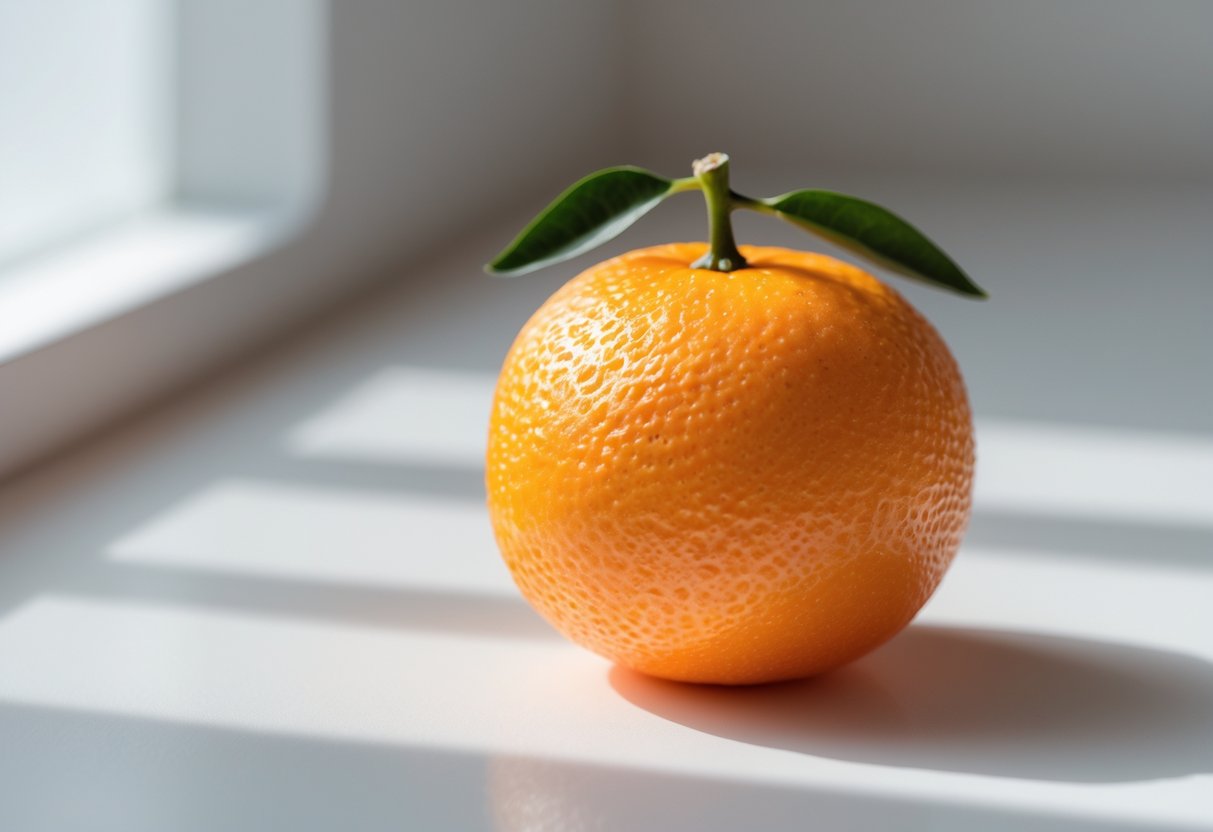
Small tangerines belong to the citrus family, and you’ll notice their sweet flavor, thin easy-to-peel skin, and that vibrant orange color right away. They’re a lot like mandarins, but their size and taste set them apart.
You’ll find these fruits juicy, aromatic, and loaded with vitamins.
What Is a Small Tangerine?
A small tangerine is a citrus fruit in the same family as oranges and mandarins. Most are smaller than an orange, usually around 5 to 8 centimeters across.
The peel comes off easily—it’s thin and smooth—so you can eat them fresh or add them to recipes without much fuss.
Inside, you’ll get 10 to 12 segments. Some are sweet, others a bit tart, but they usually taste sweeter than most oranges.
A lot of small tangerines have few or no seeds, which makes them even more appealing.
Origins and Botanical Classification
Small tangerines fall under the Citrus genus and are often seen as a subspecies of mandarin oranges. They first grew in Asia, especially in China and Southeast Asia, where people have cultivated mandarins for thousands of years.
The name “tangerine” actually comes from Tangier, a Moroccan port city. Traders shipped these fruits from there to the U.S. in the 19th century.
Even though they’re closely related to mandarins, tangerines have their own group because of their unique taste and peel. Now, you’ll find them growing all over—places like the U.S., China, and the Mediterranean.
Key Characteristics and Varieties
You can spot small tangerines by their flattened shape, bright orange or reddish skin, and that inviting citrus scent. Their skin feels thin and slightly pebbled thanks to tiny oil glands.
When they’re ripe, they feel heavy for their size and give a little when you press them.
You can eat these fruits fresh, juice them, or toss them into salads and desserts.
Nutrition, Benefits, and Culinary Uses
Small tangerines are a low-calorie fruit that’s full of nutrients and antioxidants. Their natural sweetness and easy-to-peel skin make them a handy snack or ingredient.
Knowing what’s inside and how to use them just makes enjoying tangerines that much better.
Nutritional Profile and Key Vitamins
A small tangerine weighs about 76 grams and has around 40 calories. That’s pretty light for a snack.
You’ll only get about 0.2 grams of fat and less than 1 gram of protein, so don’t count on them for protein or fat. But their vitamin content is where they really shine.
Each one gives you about 27 mg of vitamin C, which is nearly 35% of what you need daily. That’s great for your immune system and skin.
They also offer 10% of your daily vitamin A, which your eyes will thank you for.
You’ll find other vitamins, like folate, thiamin, and vitamin B6, that help with energy and brain function. They’ve got minerals too, such as potassium for blood pressure, plus small amounts of calcium, magnesium, and iron.
They have about 1.3 grams of fiber, so they help with digestion and keeping blood sugar steady.
Health Benefits of Small Tangerines
Small tangerines pack plenty of antioxidants, especially flavonoids and essential oils. These help cut down inflammation and shield your cells from free radical damage.
Vitamin C boosts your immune system and might help with chronic inflammation tied to issues like arthritis or heart disease. Potassium helps lower your risk of heart problems by managing blood pressure.
Their fiber slows down digestion, which helps keep your blood sugar from spiking. That’s a plus if you’re concerned about diabetes.
Vitamin A helps protect your eyes from age-related problems, like macular degeneration.
Since tangerines are low in calories and sugar compared to a lot of other fruits, they work well for anyone keeping an eye on their weight.
Culinary Uses and Serving Ideas
Eating small tangerines fresh is probably the easiest (and maybe the best) way to enjoy them. You can peel them fast and take them anywhere.
Pair them with low-fat yogurt or cottage cheese for a snack that’s got both fiber and protein.
Throw some segments into salads for a citrusy kick or squeeze their juice for a light dressing. They add a sweet, tangy note to vegetable dishes, poultry, or seafood.
Tangerine zest and juice can brighten up desserts like cakes and sorbets without piling on calories. Try swapping tangerines for oranges in recipes if you want less acidity and sugar.
Storage and Selection Tips
When you’re picking out tangerines, go for ones that feel heavy in your hand. That’s usually a good sign they’re juicy.
Check the skin—it should feel firm and look bright all over, plus have a fresh scent. If you spot any soft spots or dull patches, it’s better to leave those behind.
If you’ll eat them within a week, just keep them out at room temperature. Want them to last longer? Toss them in a plastic bag and stick them in the fridge; they’ll stay fresh for up to two weeks.
You can freeze tangerine sections for later. Peel them, seal them up tight in a freezer bag, and they’ll hold their flavor for about a year. Super handy if you like tossing them into smoothies or recipes down the line.
Editor’s notes
Freshness isn’t just about how new the fruit is. It’s also about timing, handling, and respect. A fruit can be harvested recently but still feel tired if it’s mishandled. Over time, we learned to read these subtle signs. It’s something you only pick up by doing this daily. When customers say our fruits feel “alive,” that’s the best compliment we can receive.