
R2E2 Mangoes: Key Qualities, Selection, and Enjoyment Tips
If you want a mango that’s big, flavorful, and lasts a while, the R2E2 mango is a solid pick. People love this variety for its sweet, mild taste and that smooth, fiber-free flesh.
R2E2 mangoes come large and fragrant, with a good balance of sweetness and a hint of tang. They’re great for eating fresh or tossing into your favorite recipes.
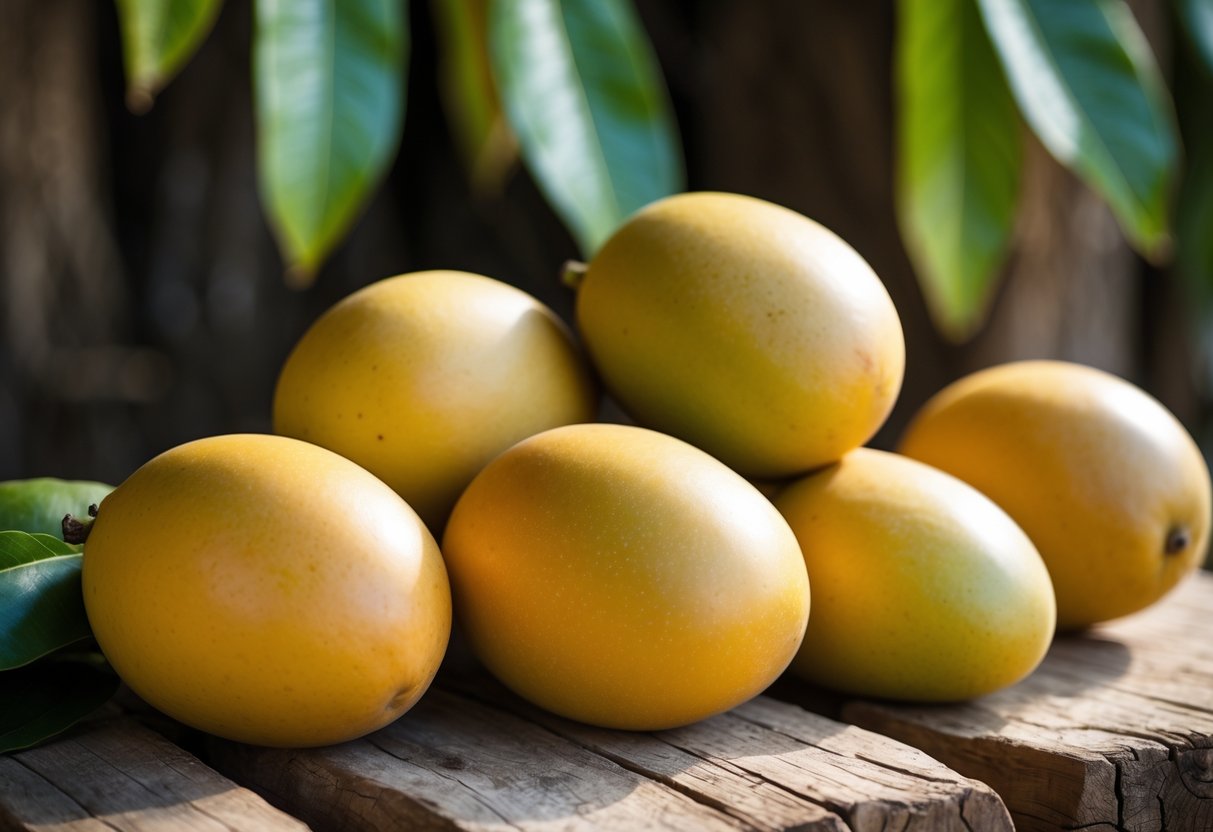
You’ll spot their bright yellow flesh and catch a floral aroma when they’re ripe and juicy. Farmers mostly grow R2E2s in Australia, and they’ve become popular locally and abroad because you can count on their quality.
Want a fresh snack or a tropical flavor boost in your cooking? R2E2 mangoes usually deliver.
Characteristics and Origins of R2E2 Mangoes
R2E2 mangoes are a unique variety that growers developed to improve quality and shelf life over other types. They started out in Australia, and breeders aimed for a mix of size, flavor, and firmness.
Once you know a bit about their background, it’s easy to see why so many people like them.
History and Cultivation
The variety officially hit commercial production in 1991.
Since then, Australian mango farms and export markets have adopted it widely.
R2E2 trees grow fast in their early years, but after about 4 or 5 years, they slow down as they mature. These trees have upright, open canopies, which means you can plant them closer together than some other big mango trees.
Because the branches break easily, growers prune them regularly during the early years to give the tree a good shape and help it produce fruit. The usual planting density is around 184 to 357 trees per hectare, depending on how you space the rows.
Physical Appearance and Size
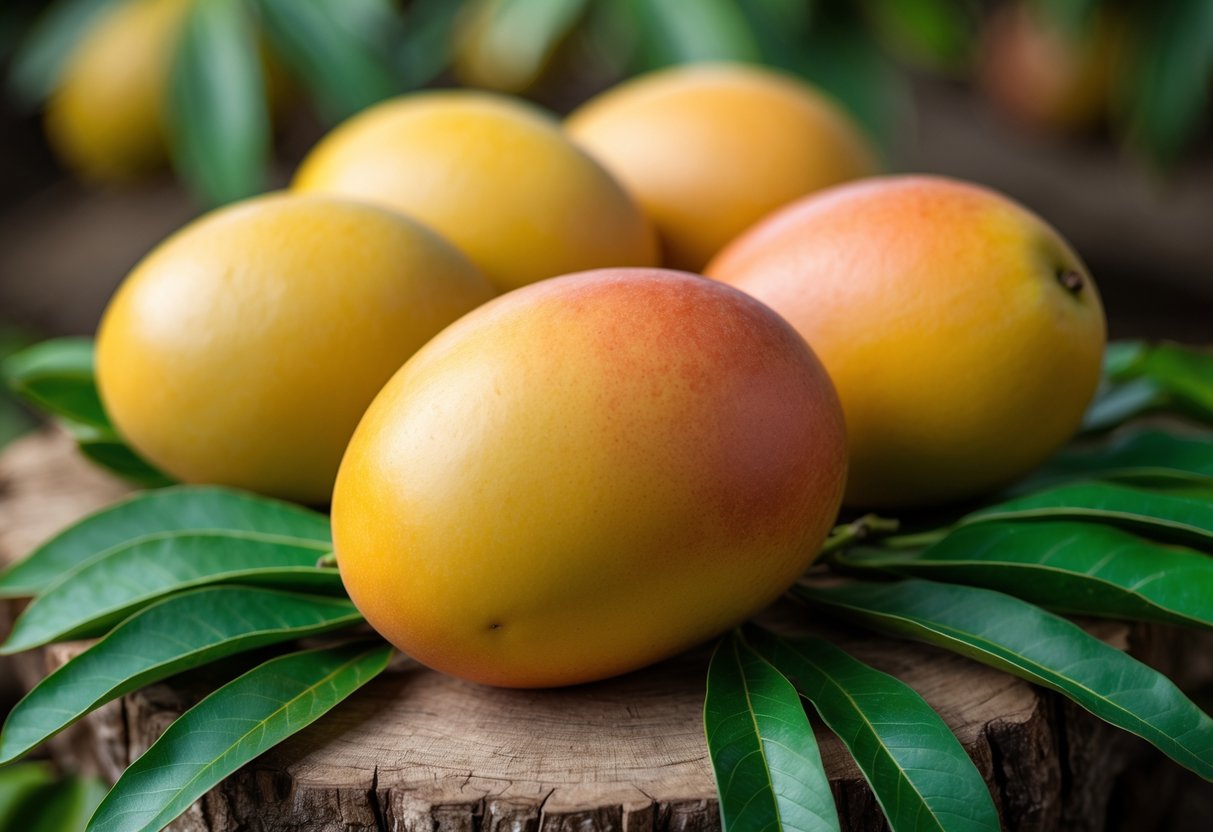
You’ll notice R2E2 mangoes by their large, round shape and firm flesh. When they mature, the skin shifts from green to a deep red with little white dots, and you’ll often see a rosy blush on the cheeks.
That “perfect blush” makes them easy to spot.
These mangoes are pretty big—oval to oblong—and need special packaging, like high-sided trays, so they don’t bruise during shipping. Their firmness means you can handle them without worrying too much about damage.
They work well for long-distance shipping and export.
| Feature | Description |
|---|---|
| Shape | Large, round to oval-oblong |
| Skin Color | Green to red with white dots |
| Size | Larger than many other varieties |
| Flesh | Firm, less stringy |
Flavor Profile and Texture
Bite into an R2E2 mango, and you’ll taste a sweet, fresh flavor with just a touch of tang. The taste feels balanced, and because the flesh isn’t fibrous, it’s really smooth.
Even when they’re fully ripe, these mangoes stay firm, which helps them hold up during shipping.
The flavor is zesty and sweet, making them a solid choice for eating fresh or using in all kinds of recipes. People in Australia love them, and so do folks in export markets like Japan.
R2E2 mangoes also last longer after picking, so you can store them for several days without worry.
Selecting, Storing, and Using R2E2 Mangoes
R2E2 mangoes stand out for their size, firm flesh, and that sweet, mild flavor. If you know how to pick, store, and use them, you’ll get the most out of this fruit.
How to Select Ripe Fruit
When picking R2E2 mangoes, look for a solid yellow color with a bit of red blush. The fruit should feel a little soft if you press it gently, but not mushy.
Skip any mangoes with wrinkles, bruises, or dark spots—those are usually signs of damage or overripeness.
Check the stem area too. It should be green or just starting to dry out. When they’re ripe, R2E2 mangoes have a sweet, floral scent, especially near the stem.
If you don’t smell much, the mango probably isn’t ready.
If you can, taste a small piece for flavor. R2E2 mangoes usually mature late in the season, from late summer onwards, so timing your purchase helps you catch them at their best.
Best Storage Practices
After you buy or pick R2E2 mangoes, keep them in a cool, dry spot away from direct sunlight to slow down ripening. If they’re still underripe, just leave them at room temperature until they soften up.
Once they’re ripe, pop them in the fridge. That’ll keep them fresh for up to a week.
Don’t wash mangoes before storing, since moisture can make them spoil faster. Just wash them right before you want to eat.
For longer storage, try wrapping mangoes in paper towels or putting them in breathable containers to avoid bruising and moisture buildup. Check them every day and eat the ripest ones first.
Versatile Culinary Uses
R2E2 mangoes taste great fresh. I love tossing them into salads, smoothies, or desserts—their sweet, mild flavor just works.
The firm flesh actually holds up well if you grill or cook it. That makes it a solid choice for savory dishes or salsas.
If you’ve got slightly overripe mangoes, don’t toss them. You can turn them into jams or chutneys, and that extra sweetness and softness really helps the texture.
Their juicy bite and floral aroma add a nice boost to recipes, but they won’t take over the whole dish.
Editor’s notes
There was a time we accepted almost every order that came in, even when stock was tight. One day, we realised we were stretching ourselves too thin. But we learned that protecting freshness mattered more than pushing volume. Since then, we’ve been more careful. If we can’t deliver fruits we’re proud of, we’d rather wait. That decision shaped how eFreshFruit.com operates today.