
Mandarin Oranges in Chinese: Names, Traditions & Meanings
Mandarin oranges aren’t just fruit in Chinese culture—they’re woven into tradition and meaning. Ever wonder why these sweet, bright oranges pop up everywhere, especially during Chinese New Year? It all starts with their name and the symbolism behind them. In Mandarin, people call mandarin orange 橙子 (chéngzi), and the fruit stands for good luck and prosperity.
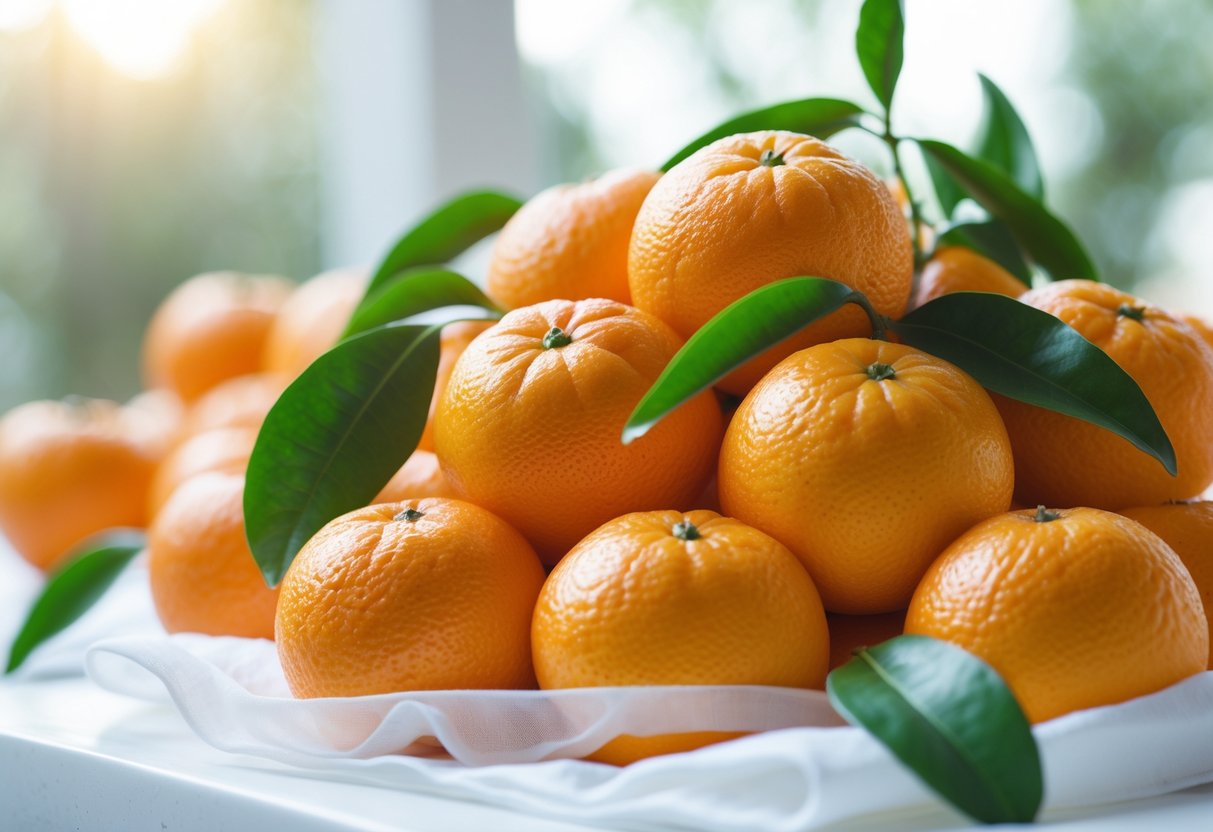
You’ll spot mandarin oranges everywhere as gifts during festivals. Their round shape and bright color make people think of wealth and happiness.
If you know what these oranges mean, you’ll see why they matter so much in celebrations. Maybe you’ll even want to join in next time you travel or study abroad.
Learning the Chinese word for mandarin orange and the stories behind them adds a new layer when you see or taste one. Somehow, this simple fruit carries wishes you can share.
Key Terms and Pronunciations for Mandarin Oranges in Chinese
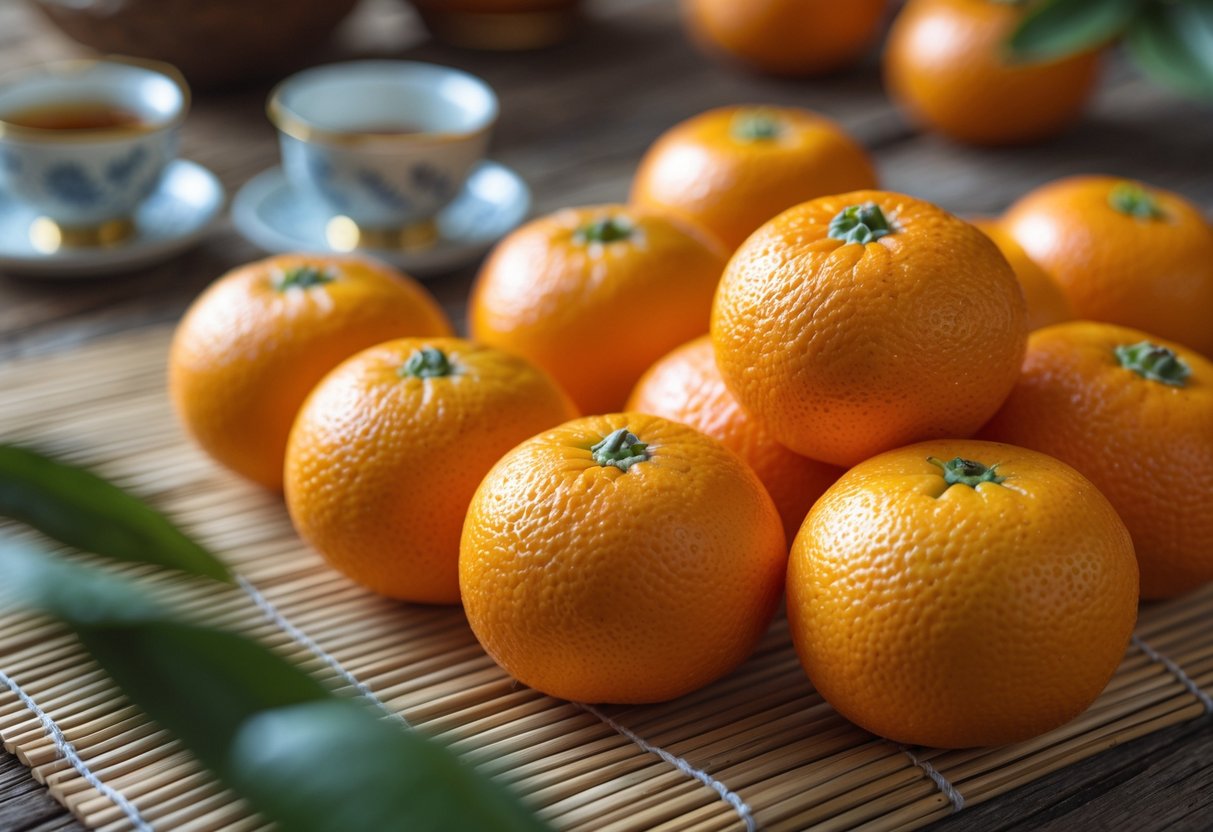
Getting the basic words and how they sound helps you talk about mandarin oranges with confidence. You’ll see which Chinese characters people use, how to pronounce them, and what makes each term a bit different.
Common Mandarin Orange Terms and Characters
The term 橘 (jú) is the go-to word for mandarin oranges in Chinese. It points right at the fruit and comes up a lot in daily life.
You’ll also hear 橘子 (jú zi), where 子 (zi) just adds a noun ending—still means “orange” or “tangerine.”
There’s also 柑橘 (gān jú), which sounds a bit more formal. People use it for the wider citrus family, not just mandarins. You’ll spot this word in science or farming circles.
Sometimes, you might see 桔 (jú). It’s a simplified version of 橘 but isn’t as common. If you know these characters, you can read menus or signs about oranges in Chinese with less guesswork.
Pinyin and Pronunciation Guide
Chinese uses pinyin to show how words sound with Latin letters and tone marks. Tones matter—a lot—since they can totally change the meaning.
- 橘 (jú) gets the second tone, which rises like you’re asking something.
- 橘子 (jú zi) puts the same rising tone on 橘, but 子 stays flat.
- 柑橘 (gān jú) splits into two: gān uses the first, steady tone, and jú goes with the second, rising tone.
Try saying them slowly: jú, jú zi, gān jú. Practicing out loud helps you sound more natural.
Differences Between 橘 (jú), 桔 (jú), and 柑橘 (gān jú)
So, what’s the deal with 橘 (jú) and 桔 (jú)? Both mean mandarin orange, but 橘 is standard in Mainland China. 桔 pops up sometimes in Taiwan or casual writing. They sound the same, though.
柑橘 (gān jú) is a combo word that covers the whole citrus group. If you’re talking about mandarins only, stick with 橘 (jú). If you want to talk about all citrus—like oranges and tangerines together—go with 柑橘 (gān jú).
Picking the right term helps you get your point across, whether you’re shopping, cooking, or just chatting about fruit.
Traditional and Cultural Significance of Mandarin Oranges
Mandarin oranges hold a special spot in Chinese culture, especially when it’s celebration time. Their symbolism, family traditions, and even how they look all add up to their importance.
It’s not just about eating fruit—they’re woven into customs and rituals that mean a lot to many people.
Symbolism in Lunar New Year Celebrations
At Lunar New Year, mandarin oranges stand for good luck and wealth. The Mandarin word for orange sounds like words for “wealth” and “good fortune.” That’s why people give mandarins in pairs—since even numbers feel luckier. If you visit, you’ll see families swapping pairs to wish each other prosperity.
Color matters, too. Their bright orange skin looks like gold, which adds to the idea of wealth. People put mandarins in homes and shops, hoping to attract good vibes and success.
Role in Chinese Festivals and Family Traditions
Mandarin oranges show up in more than just Lunar New Year. Parents sometimes tuck mandarins and red envelopes by their kids’ pillows for the holiday. This tradition is supposed to keep bad spirits away and bring safety.
When you give mandarins to relatives or friends, it shows respect and good wishes. The custom has spread to places like Malaysia and Singapore, where big Chinese communities live. In families, sharing mandarins often means you’re hoping for health and happiness. These fruits at gatherings help strengthen bonds and keep traditions alive.
The Importance of Color and Shape
The round shape of mandarin oranges stands for completeness and unity. That shape hints at harmony in families and communities.
You’ll see mandarins used as decorations, showing off these ideas. Their red-orange color signals good luck and energy. The brighter, the better—people prize deep colors during celebrations.
If a mandarin still has its stem and leaves, it’s even luckier. That means longevity and fertility, a little wish for lasting success and family growth. Maybe you’ll look for those next time you buy some.
Popular Mandarin Orange Varieties and Their Meanings
Mandarin oranges come in all sorts of types, and each one brings its own taste and meaning. You’ll notice differences in size, flavor, peel, and even the symbolism tied to their names.
Puffed Mandarin Orange (椪柑)
The puffed mandarin orange, or 椪柑, looks round and a bit flattened. Its thick skin peels off easily, which makes it handy during festivals.
The taste is sweet with a little tartness—people enjoy them fresh or in desserts. These mandarins stand for fullness and prosperity because of their shape and color. Giving or getting 椪柑 at New Year’s is like wishing for plenty and good luck. Their color and size make them a favorite gift.
Barrel Mandarin Orange (桶柑)
桶柑, or the barrel mandarin orange, is bigger and firmer than other kinds. Its peel is thicker and sticks to the fruit, so you need to work a bit to open it. Still, the sweet juice inside is worth it.
This variety stands for stability and strength, thanks to its barrel shape. The meaning matches the name—people see it as a symbol of a solid foundation for the year ahead. 桶柑 often gets picked for business gifts or formal occasions, where you want to make a strong impression.
Sweet Orange (柳丁/柳橙)
The sweet orange, 柳丁 or 柳橙, is smaller and rounder than most mandarins. Its skin is smooth, sometimes a little tougher to peel.
This citrus has a sweet-tangy taste, perfect for eating fresh or using in recipes. In Chinese culture, sweet oranges connect to wishes for smoothness and harmony. Their color and sweetness stand for joy and good relationships. You can add 柳丁 to festive meals as a little reminder of happiness.
Other Notable Citrus Varieties
You’ll run into other 柑橘 (citrus) types around the holidays. Ponkan and Lukan mandarins are common picks—they peel easily and taste juicy. Ponkan mandarins are big and flavorful, symbolizing generosity. Lukan mandarins taste milder and stand for gentleness.
Sometimes, you’ll see Dekopon or Hallabong mandarins. Their shape and super-sweet flavor make them special. These unusual types hint at uniqueness and good fortune. Choosing which kind to give or eat depends on what flavors you like, how easy it is to peel, and what message you want to send.
Growing, Serving, and Using Mandarin Oranges in Chinese Culture
Mandarin oranges need warm weather and a bit of care to grow well. When people serve them, there’s always meaning behind it, and you’ll see them pop up in many traditional ways.
They show up in all sorts of dishes and customs, making the most of their taste and symbolism.
The Orange Tree in Chinese Context
People value the orange tree for its fruit and the luck it brings. It grows best in warm, subtropical places—think 55°F to 85°F. You’ll find lots of orange trees in southern China, where farmers have grown them for ages.
These trees give small, sweet fruits with thin, easy-to-peel skin. Since oranges don’t ripen after picking, farmers have to harvest them at just the right time for the best flavor. The tree itself is more than just a plant—it stands for good luck and prosperity. That’s why people sometimes plant orange trees near homes or shops, hoping to draw in good energy.
Serving and Presenting Oranges
When you give mandarin oranges in Chinese culture, you’re doing more than handing over a snack. During Chinese New Year, people exchange pairs of fresh mandarins to wish each other wealth and happiness.
Oranges usually show up in bright red wrappers or in decorative bowls. Giving them in pairs doubles the good fortune. You’ll also see oranges used in gifts, as decorations, or as offerings in temples. Their bright color reminds people of gold, which ties right back to the idea of prosperity.
Common Dishes and Uses
In Chinese cooking, people use mandarin oranges both fresh and preserved. You can just eat them straight, or toss the juice and peel into recipes.
Dried orange peels—chenpi—have this long history in traditional medicine. Folks say they help with digestion and offer a few other health perks.
Their sweetness can balance out savory dishes too, especially in certain regional cuisines. Fresh, cooked, or even preserved, mandarins show up all over Chinese meals and health traditions.
Editor’s notes
If you asked us a few years ago whether we imagined running a fruit delivery service, the answer would have been “No way.” But life works in strange ways. What started as a personal search for better fruit slowly grew into something bigger. We began sharing fruits with friends and relatives, and they kept asking where we got them. Eventually, eFreshFruit.com was born. Every business has a story, and ours started with curiosity and a desire for better quality — nothing fancy, just a simple wish that somehow became a real service today.