
Malaysia Durian Type: Guide to Top Varieties and Their Unique Traits
Curious about Malaysian durian types? You’re in for a treat—there’s a wild variety here, each with a flavor and texture all its own. Malaysia boasts many durian varieties, from the iconic Musang King to rarer gems like Black Thorn, each one appealing to different tastes and moods. Whether you’re a hardcore durian fan or just thinking about your first bite, knowing these types helps you pick the fruit that actually fits your palate.
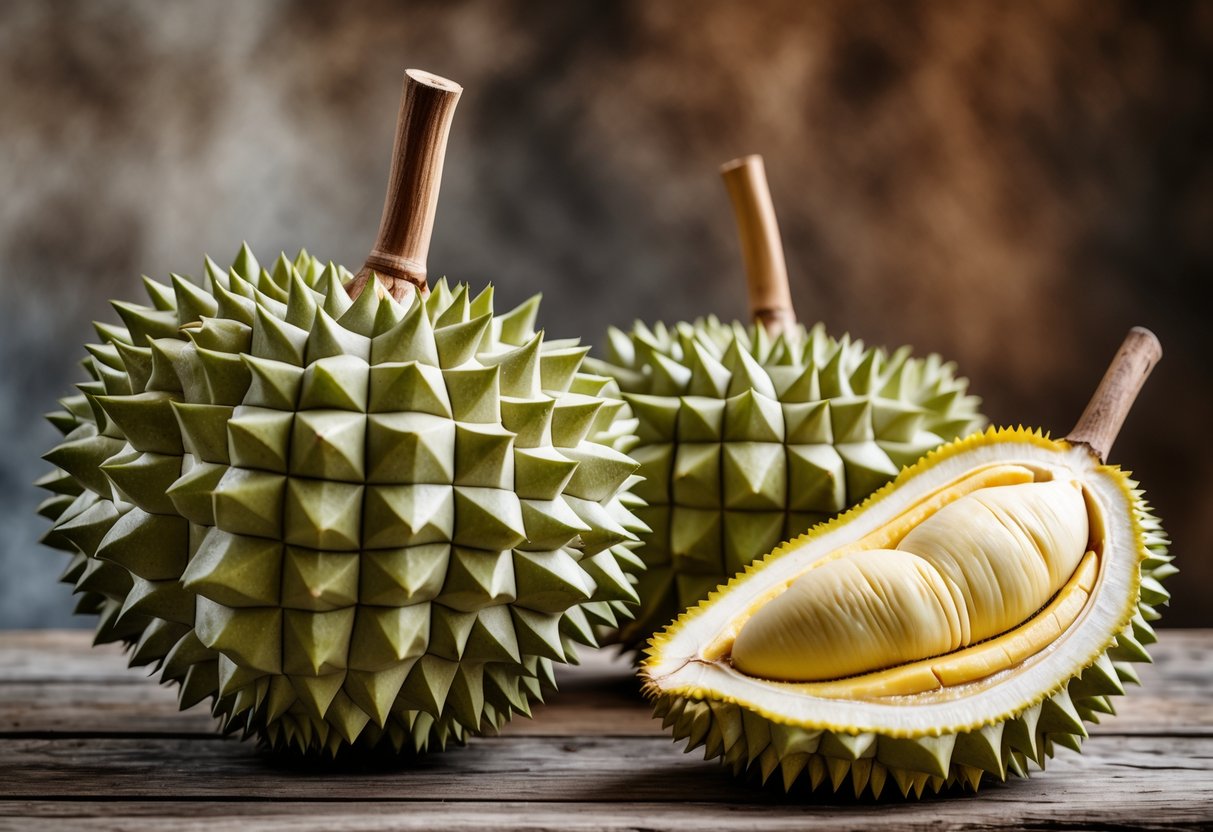
You’ll come across durians with creamy, sugary flesh and some that throw in a wild mix of bitterness and sweetness. The shapes, colors, and smells are all over the place, which makes picking durian in Malaysia genuinely fun.
Durian season in Malaysia goes on for most of the year, so there’s no rush. You can explore these varieties at markets or even right at the orchards.
If you understand the differences between Malaysia’s durian types, you’ll start to see the fruit as more than just its legendary smell. Exploring these varieties deepens your taste experience and connects you with millions who consider durian a real cultural and culinary treasure.
Malaysia’s Top Durian Types and Their Characteristics
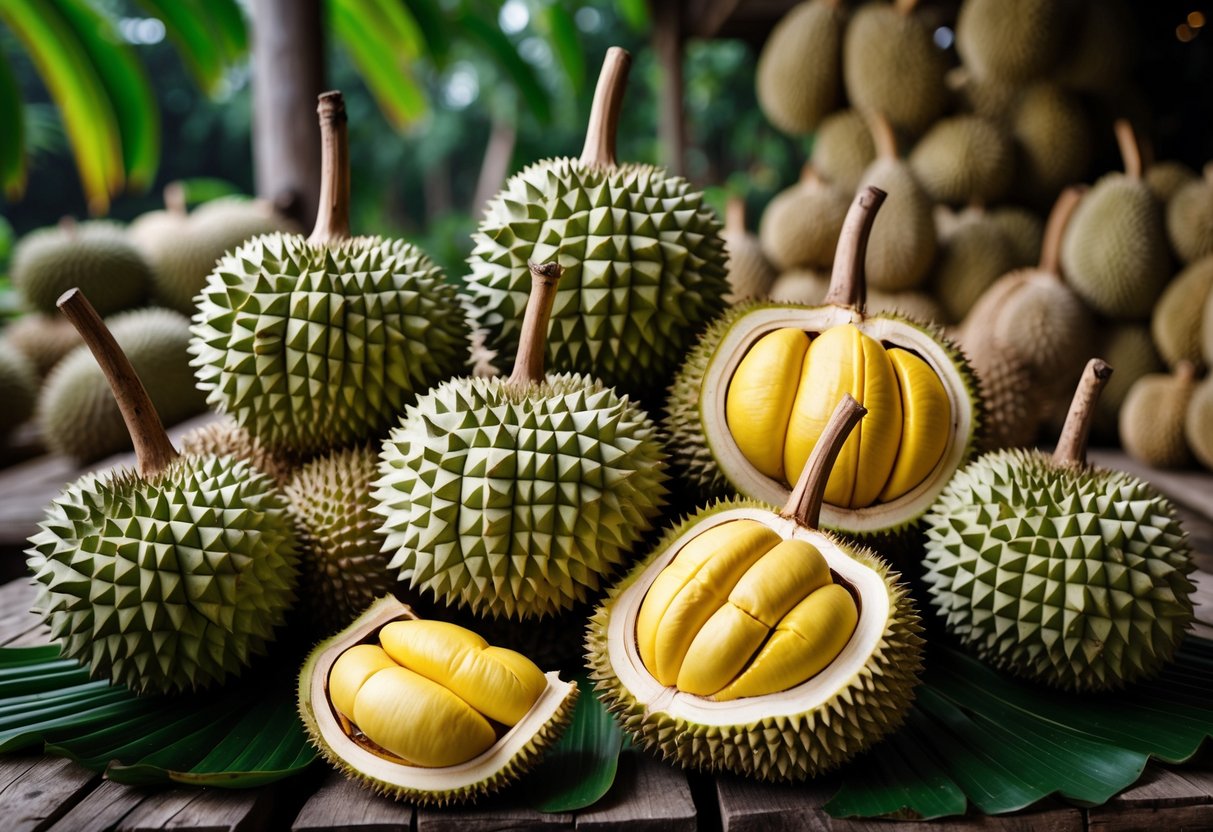
Durians in Malaysia really do vary—taste, texture, and looks all shift from one type to the next. Some are famous for their deep sweetness, while others go for complex flavors that balance bitterness and creaminess.
Let’s look at a few that really stand out.
Musang King: The Gold Standard
People often call Musang King durian, or D197, the gold standard in Malaysia. Its flesh glows golden-yellow, thick and creamy, and it basically melts as soon as you eat it.
You’ll taste a blend of rich sweetness with just a hint of bitterness, which gives it some depth. Musang King usually comes in a big, round shape, with short, sharp spikes that look brownish-green.
It’s got a strong smell, kind of like turmeric—some say it’s unforgettable. The seeds are small and flat, so you get more of the good stuff.
D24: Classic Sultan Durian
D24 durian, sometimes known as the Sultan durian, has a classic reputation here. Its shape goes from round to oval, and you’ll notice the shell is covered in medium, densely packed spikes.
The flesh can be deep yellow or go pale cream, but it always feels smooth and velvety. Taste-wise, D24 brings a sweet flavor with just a little alcoholic kick that sticks around.
Its aroma is strong, though not quite as bold as Musang King. The seeds are moderate to small, so you get a decent amount of flesh.
Black Thorn Durian: Premium Rarity
Black Thorn, or D200, is a premium variety that mostly grows in Penang. It stands out with an oval shape and sharp, prominent spikes.
The stem is dark, which contrasts with the bright green shell—pretty easy to spot if you know what to look for. Its flesh is a deep, buttery yellow and feels super smooth.
The flavor balances sweet richness with a lingering bitter edge. Black Thorn seeds are small, so you get a lot of flesh. Since it’s rarer than most, durian fans really prize it.
Red Prawn Durian: Mild and Sweet Favorite
Red Prawn, or D175, is a favorite for people who like things mild. The flesh has a reddish-pink tint and a soft, creamy texture that melts fast.
Red Prawn durians usually have an oblong shape and medium, softer spikes. The flavor leans sweet—really sweet—with just a touch of bitterness.
Seeds are small, so you get more to eat. This variety is a hit with folks who want something creamy but not too overpowering.
Choosing the Right Durian for Every Durian Lover
To find your perfect durian, think about the flavors and textures you enjoy, when they’re in season, and where you can get the best ones. Each factor shapes your overall experience with this wild fruit.
Flavor Profiles and Texture Comparison
Durian types can taste and feel totally different. If you want strong, bittersweet flavors, Musang King (D197) is a top pick—it’s rich, deep golden-yellow, and carries a hint of turmeric in the aroma.
If you’re after something sweeter and creamier, Red Prawn (D175) is soft and tender, with sweetness that doesn’t quit and just a slight bitterness. Some, like D24 XO, mix sweet with a little alcoholic tang, while D28 Creamy Bun gives you a velvety texture and balanced sweetness with a slight astringency.
If you’re new to durian, you might want to start with milder types like D13 Golden Bun or D78 Sweetie. They’re flavorful but not as intense.
Texture matters too. Most durians are creamy and custard-like, but some, like D3 Second Son, add a nutty twist. Seed size isn’t just trivia—smaller seeds mean more flesh for you.
Seasonal Availability Across Malaysia
Malaysia’s durian season usually runs from March to December, peaking between June and August. Outside these months, you’ll see less durian and the quality can dip.
October is often a dry spell for durian. Different regions harvest at different times, depending on climate and farming tricks.
Some modern farms stretch the season, but off-season durians rarely taste as good. You’ll get the best prices and freshest fruit during peak season.
If you want the richest, boldest flavors, plan your durian hunt for the main season. That’s when you’ll really taste why it’s called the king of fruits.
Popular Regions and Sourcing Tips
If you love durian, you probably know that Malaysia grows them in several distinct regions. Kelantan claims fame for Musang King.
Penang? That’s where you’ll find rarer types like Black Thorn (D200) and Red Prawn.
Johor and Pahang put out some fantastic durians too, like D13 Golden Bun and D24 XO. When you’re hunting for a good one, check the spikes—green with brown tips usually means it’s ripe.
Try giving the fruit a gentle shake. If you hear a soft, squishy sound, that’s a good sign the flesh inside is creamy.
Take a sniff at the husk. You want a strong aroma, but nothing that knocks you over.
It’s always better to buy straight from trusted farms or local markets, especially during peak season. Ripe durians often feel lighter since they lose moisture, so skip the ones that seem oddly heavy.
Editor’s notes
Seasonal fruits bring different energy. Citrus feels refreshing. Stone fruits feel comforting. Even our workdays feel different depending on what’s in season.