
CNY Oranges: The Essential Guide for Chinese New Year
Chinese New Year mandarin oranges aren’t just tasty—they’re packed with tradition and meaning. People see these oranges as symbols of good luck, wealth, and prosperity, so they’re a must-have for your Lunar New Year celebrations.
When you visit family or friends, handing over two mandarin oranges is a classic gesture. It’s a way to wish them fortune and happiness.
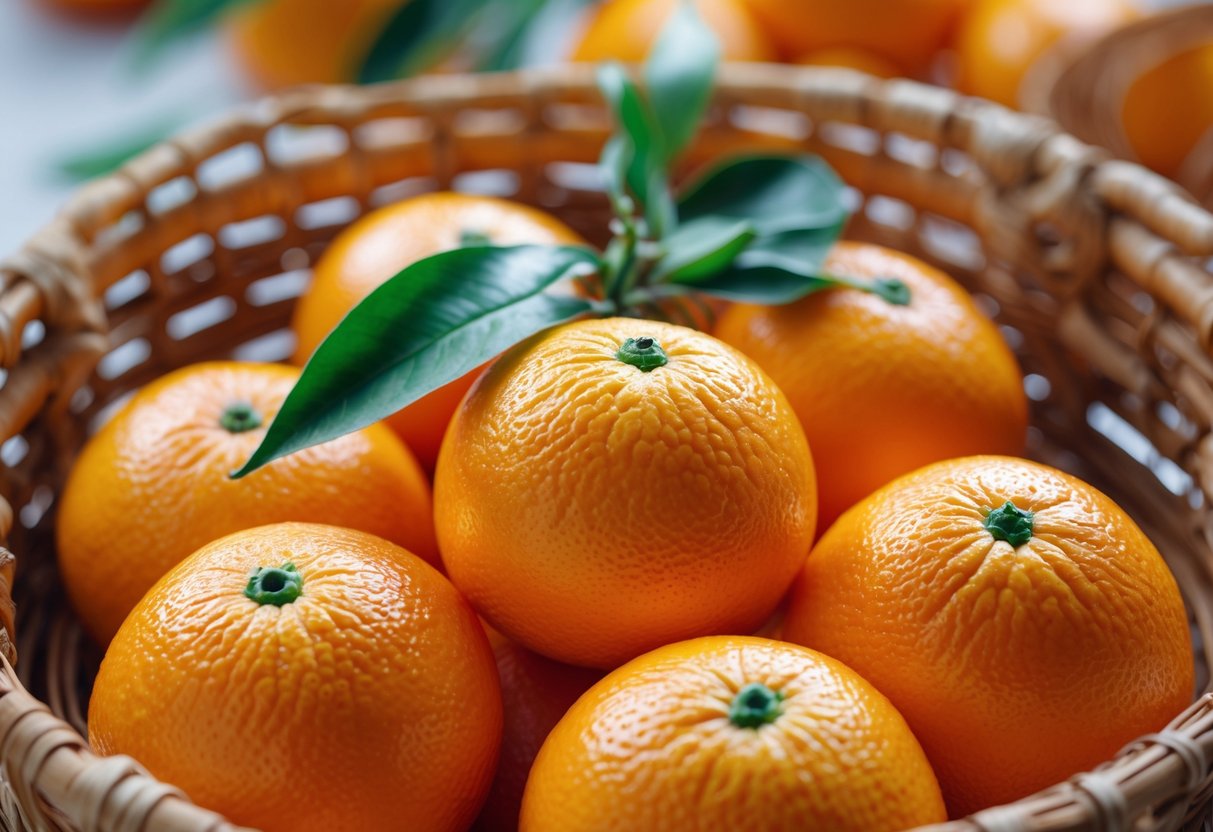
During the season, stores and markets fill up with all sorts of mandarin oranges, each with its own flavor and texture. Picking the right variety, whether you’re snacking or gifting, makes the tradition more enjoyable.
If you go for fresh, untreated oranges, you keep the spirit of the gift alive and get a better experience too.
Significance of CNY Oranges in Chinese New Year
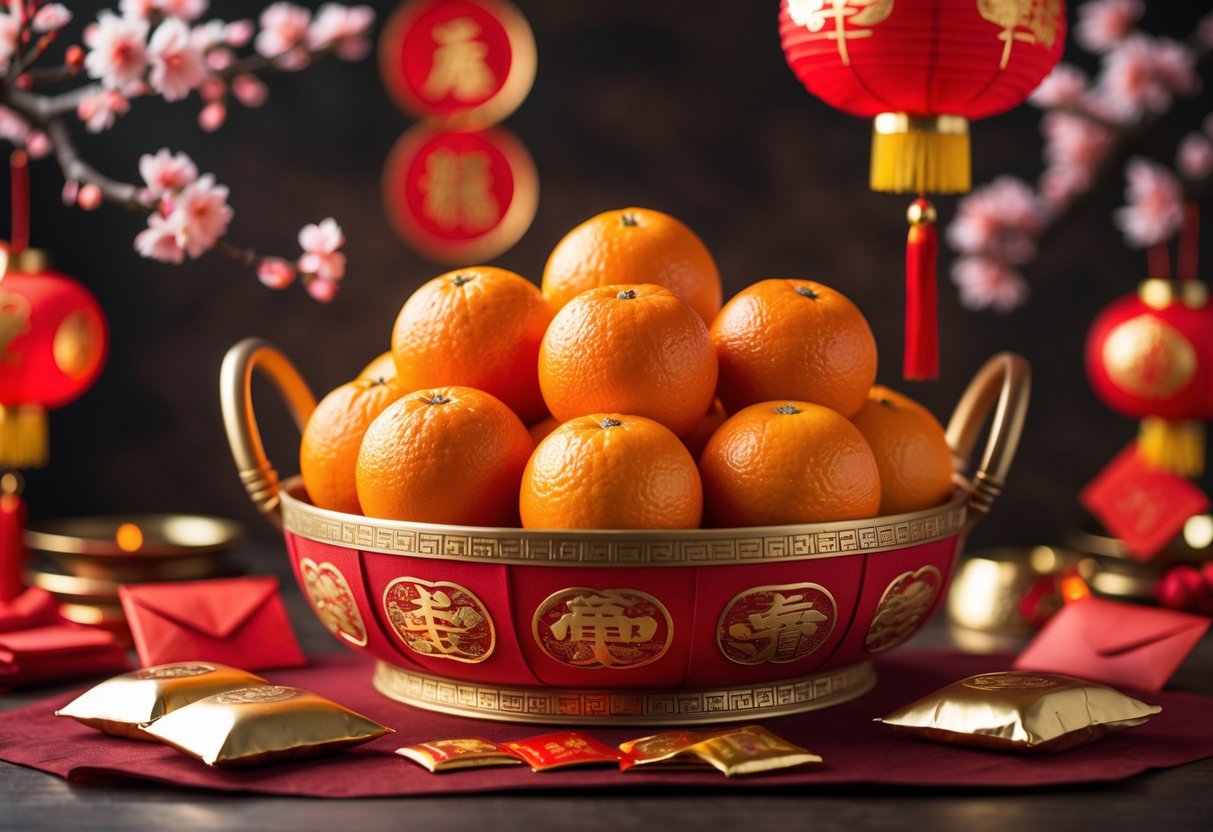
Mandarin oranges play a special part in Chinese New Year. They connect to luck, wealth, and family traditions.
You’ll spot them everywhere—gifts, decorations, even rituals during the festive period.
Cultural Meaning and Symbolism
Mandarin oranges stand for good fortune and prosperity. Their round shape and bold orange color look a lot like gold coins, which everyone associates with wealth.
The word for orange in Chinese sounds like “gold” or “luck,” so people love using them to attract blessings for the new year.
That reddish-golden color also suggests happiness and energy. You’ll often see mandarins sitting around homes, meant to bring in positive vibes.
In some places, mandarins even link to ideas of fertility and long life, especially if they still have leaves or stems.
Gift-Giving Traditions
Mandarin oranges make a classic gift during Chinese New Year. People usually give them in pairs since even numbers are lucky.
Odd numbers? Not so much—they’re seen as unlucky.
When you get mandarins, it’s a sign the giver hopes you’ll have wealth and happiness. Folks often wrap them up nicely or pair them with red envelopes full of money.
This tradition has spread to places like Malaysia and Singapore, wherever there are big Chinese communities.
Auspicious Displays and Rituals
Mandarin oranges show up in lots of decorations and rituals during Chinese New Year. You might see them on altars or even on special cakes like kagami mochi in Japan, where they represent continuity and good fortune for future generations.
At home, people arrange oranges in pairs or clusters to invite abundance. Their bright color pops against all the red decorations, and together they double down on luck and success.
When you display or eat mandarin oranges during the festival, you join in a tradition meant to draw blessings for the coming year.
Varieties of CNY Oranges
CNY oranges come in several types, each with its own flavor, texture, and peelability. Knowing what sets them apart helps you pick the best one for your Chinese New Year.
Ponkan Characteristics
Ponkan mandarins are super popular during Chinese New Year. They’re pretty big—about 7 to 8 cm wide—and have a round, plump look.
Their skin peels off easily, which is always a bonus.
Ponkan mandarins taste sweet, juicy, and a little tangy. They’re perfect for snacking because the flavor isn’t overpowering, so you can eat a few in one go.
The texture is juicy but not mushy, so they’re really satisfying.
Because they’re large and sweet, Ponkan mandarins make fantastic gifts and look great in festive displays. They’re usually in season at the right time for Chinese New Year too.
Lukan Differences
Lukan mandarins look a lot like Ponkan, but you’ll notice their skin is rougher and a bit wrinkly. That makes them easy to peel, though the texture is different.
Lukans don’t taste as sweet as Ponkan mandarins. Their flavor is milder, with a nice bright acidity, which is refreshing if you want something less sugary.
Their zest smells great, but it’s usually too soft and bitter for cooking. If you go for Lukan mandarins, expect a light taste that balances sweet and sour.
Swatow Durability
Swatow mandarins are all about durability. They have thick, rough skin that’s tougher to peel than Ponkan or Lukan.
Inside, the membranes are chewier, and the taste is less sweet, so they’re not for everyone if you crave juicy, sugary mandarins.
But here’s the thing—they last a lot longer, often two to three weeks.
Swatow mandarins make sense if you need CNY oranges that won’t spoil quickly. Maybe not the best for instant snacking, but they’re handy for longer celebrations or storage.
Purchasing and Selecting CNY Oranges
When you’re buying CNY oranges, you need to know where to find them, how to pick the good ones, and what to do if you’re buying in bulk. That way, you get the juiciest mandarins without too much fuss.
Where to Buy Mandarin Oranges
You can find CNY mandarins at wet markets, supermarkets, and online. Wet markets often have fresh fruit at good prices, and you get to check the oranges yourself.
Supermarkets are convenient, and they usually stock popular types like Ponkan and Honey mandarins.
Online delivery is getting more common, and you can order mandarins straight to your home. Many sites offer festive packaging for Chinese New Year.
Just double-check if there’s a delivery charge—often it’s free only if you spend over a certain amount, like $100.
Choosing the Best Oranges
Pick mandarins that feel firm and heavy for their size—that’s a good sign they’re juicy. The skin should look smooth and bright, without soft spots or wrinkles that mean they’re overripe or damaged.
If you want easy peeling, Ponkan and Mikan are great picks.
Seedless mandarins are popular for convenience, but sometimes the seeded ones taste richer. If you’re planning to store them, go for thicker-skinned types like Swatow, though they’re a bit tougher to peel.
Skip any fruit that feels damp or shows mold.
Bulk Orders and Timings
If you want a lot of mandarins, order early—supplies run low as Chinese New Year gets closer. Most online sellers let you fill out a form or call for bulk deals.
Try to find suppliers who offer free delivery if you hit a minimum spend, usually around $100.
Buy at the right time to get the freshest fruit. Mandarin oranges are at their best from mid-winter to early spring, which lines up with Chinese New Year. Ordering in November or December is usually your best bet.
Check your stored fruit now and then, and toss out any that start to spoil.
Storage, Handling, and Delivery Tips
To keep your CNY mandarins fresh and sweet, you’ve got to store them properly, check the quality often, and know your delivery options. Paying attention to these things helps you enjoy great fruit all through the festivities.
Proper Storage Methods
Stick your mandarin oranges in the fridge at 5 to 7 degrees Celsius to keep them fresh longer. Let them breathe—don’t wrap them in plastic because that just traps moisture and leads to mold.
If you leave mandarins at room temperature, plan to eat them within a few days. For longer storage, refrigerate and they’ll last two to three weeks.
Pull out any damaged or soft oranges right away to protect the rest.
Avoid damp spots, and if you can, store mandarins on a wire rack or in mesh bags. That way, air can circulate and you’ll have less chance of moisture buildup or decay.
Ensuring Freshness and Quality
When you handle mandarin oranges, make sure they’re firm, plump, and free from blemishes or soft spots. That’s how you know they’re still fresh and tasty.
If you buy or receive mandarins for Chinese New Year, check them as soon as they arrive. If they look damaged or dried out, don’t be shy—ask for a replacement or refund.
Choose suppliers who take care with transport. They should use temperature-controlled vehicles or padding to avoid bruising.
Careful handling keeps your mandarins juicy and stops them from spoiling too soon.
Understanding Delivery Options
Delivery services usually charge fees based on your order size and where you live.
For example, some ask for a minimum order value—maybe $200—and tack on a $50 delivery charge if you don’t hit that minimum.
Delivery times? They’re all over the place. Some companies show up every day, but others stick to certain days only.
It’s a good idea to check their delivery slots and schedules before you order anything.
Make sure you give the right delivery details. If you don’t, you might end up dealing with delays or surprise charges.
Some places charge extra depending on your postal code or how easy it is to reach your address.
If you know all this ahead of time, you’ll have a much better shot at getting fresh mandarin oranges right when you want them for Chinese New Year.
Editor’s notes
You might not believe this, but we get inspired by fruits all the time. Every fruit has its own character — mangoes bruise easily, apples keep well, bananas ripen fast. These little traits taught us patience and timing. Some days we even joke that running eFreshFruit.com is like raising kids. Each batch needs attention, care, and the right environment. It sounds silly, but it’s true. Fruits taught us that freshness isn’t about perfection — it’s about understanding nature.