
Chinese New Year Oranges: Symbolism, Types, and Customs
Chinese New Year oranges really stand out during the celebrations across many Asian cultures. People see these bright, round fruits as symbols of good luck, wealth, and prosperity, so they’re a must-have for the holiday.
Their shape and color aren’t just for show—the roundness hints at completeness, and the golden color screams wealth.
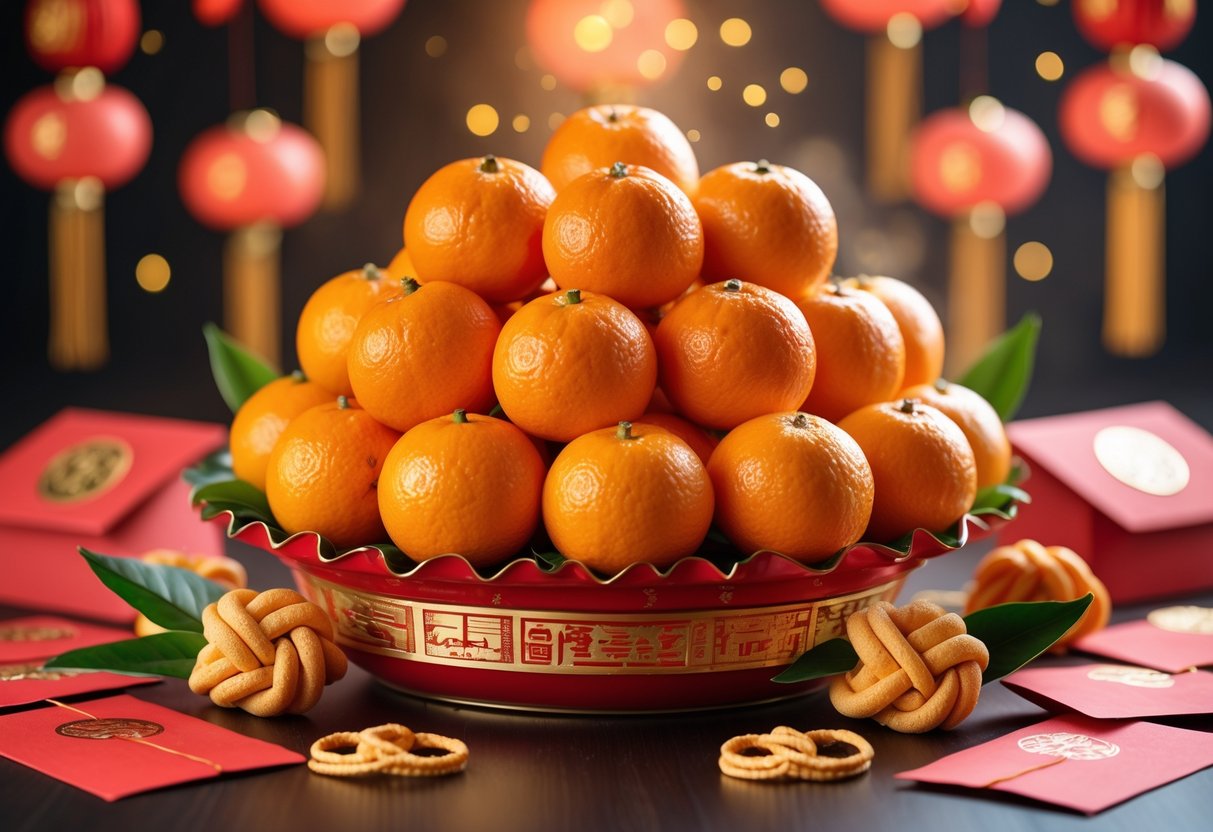
You’ll spot mandarins exchanged in pairs everywhere during Chinese New Year since even numbers seem to invite better fortune. Folks give them as gifts or use them as decorations, tying everyone back to old customs that celebrate hope for the year ahead.
Symbolism and Cultural Significance of Chinese New Year Oranges
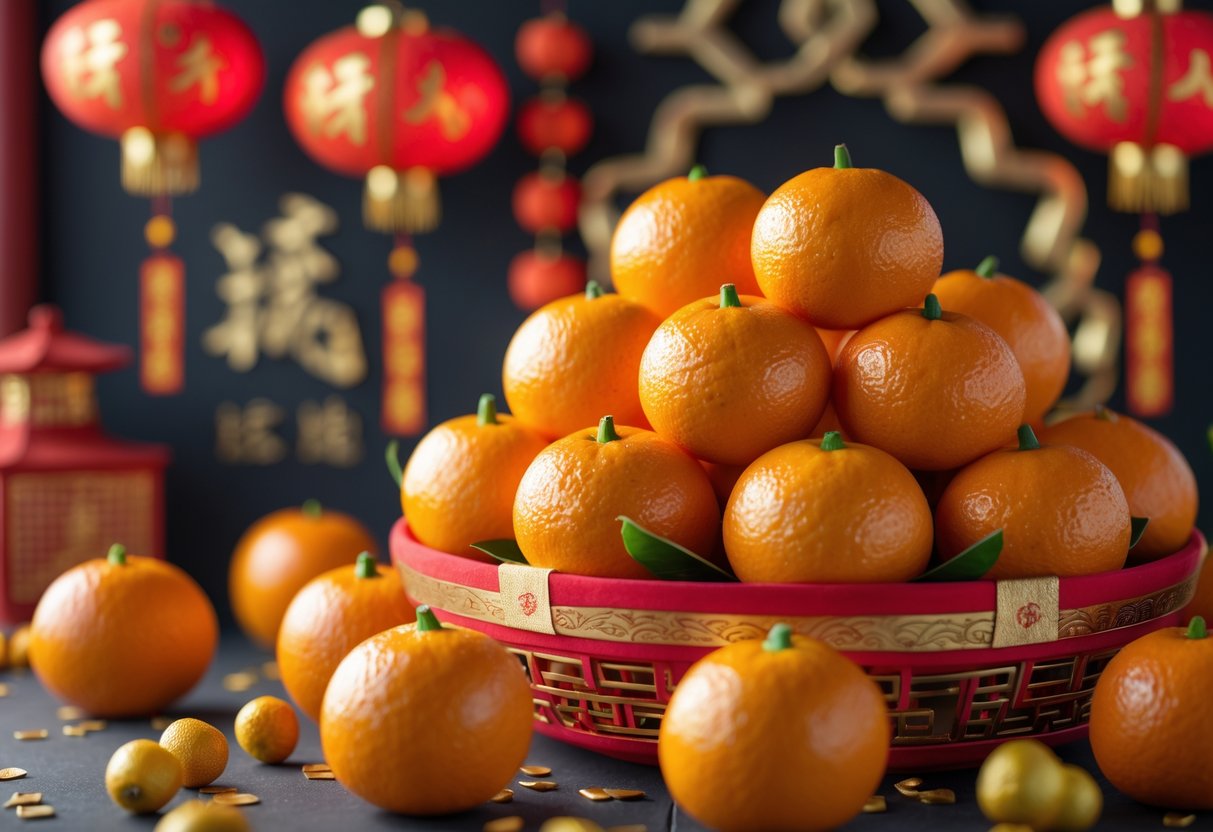
Oranges and mandarin oranges mean a lot in Chinese culture, especially during Lunar New Year. People connect them to luck, wealth, and positive fortune.
Their colors and shapes aren’t just festive—they’re packed with meaning. You’ll spot them woven into New Year customs and traditions that go back generations.
Meaning of Oranges and Mandarin Oranges in Chinese Culture
For centuries, people have seen oranges and mandarins as good luck charms in Chinese culture. Part of this comes from their names—“orange” in Mandarin sounds like “luck,” and in Cantonese, it’s close to “gold.”
So, mandarins and oranges aren’t just snacks during Chinese New Year. They stand for wishes of happiness and success. Families often give them to close friends and relatives.
The fruit’s bright look is meant to bring good energy into the home and mark a fresh, promising start.
Good Luck, Wealth, and Prosperity Associations
The bright orange color really matters. It reminds everyone of gold, which stands for wealth and prosperity.
When you give or get oranges during New Year, you’re sharing good fortune. Mandarins are often given in pairs—since even numbers are lucky and mean balance.
This double gift is about harmony. People hope these fruits will bring abundance, joy, and maybe even a little extra cash in the coming year.
Auspicious Colors and Shapes
The round shape of mandarins and oranges isn’t just cute—it stands for completeness and unity. That’s a big deal for families gathering at New Year.
Their rich, reddish-orange skin ties them to fire and gold, which symbolize energy, warmth, and riches. These colors and shapes make them perfect as gifts or festive decor.
Role in Chinese New Year Traditions
During Chinese New Year, mandarins and oranges play starring roles in ceremonies. You’ll see them displayed in homes or swapped among relatives.
People often put them in pairs for blessings or tuck them into gift baskets. In southern China and parts of Southeast Asia, giving mandarins is a tradition that’s still going strong.
Oranges with stems and leaves are especially valued—they stand for fertility and long life. Sometimes, you’ll find mandarin oranges decorating special foods or altars, keeping their cultural importance alive.
Traditional Customs and Regional Practices
Mandarin oranges show up everywhere during Chinese New Year. They’re key for gift exchanges, home decorations, and all sorts of celebrations, especially in southern China and Southeast Asia.
Customs often focus on how you present the oranges and the importance of numbers.
Gift Giving and Exchange Etiquette
Giving mandarin oranges is a sign of respect and luck. You usually exchange them with family, friends, or business partners to wish wealth and happiness.
These oranges often come with red envelopes (hongbao or lai see) filled with money for good fortune. People prefer mandarins with stems and leaves, as those mean longevity and fertility.
Many families like baby oranges—they’re sweet and stand for new beginnings. When you give them, neat and thoughtful presentation matters.
Importance of Pairing and Even Numbers
People almost always exchange oranges in pairs. Even numbers symbolize luck, balance, and harmony.
Odd numbers? Most folks avoid them—they’re tied to funerals or bad luck. The mandarins you give should be whole and fresh.
You’ll see people arranging oranges in twos or other even groups. This is a way to wish for a prosperous and steady year, making the symbolism of pairing hard to miss.
Use of Oranges in Decorations and Festivities
Mandarins pop up as decorations in homes and businesses during the holiday. Their bright color links to gold and, by extension, wealth.
Some families put mandarins on altars or dining tables to attract good fortune. In certain rituals, like rolling in the wealth, people roll oranges and coins across doorways to invite luck.
Bowls or baskets of mandarins also help set the festive mood and hint at abundance.
Regional Variations in Southern China and Southeast Asia
In southern China, mandarin oranges are part of the fabric of Lunar New Year. Gifting mandarins goes beyond luck—it’s about traditions like putting fruit and red packets under children’s pillows to ward off bad spirits.
These customs have spread to Southeast Asia, especially in places like Singapore, Malaysia, and Indonesia. You’ll notice similar habits of giving oranges in pairs, but sometimes with unique decorations or extra gifts.
The love for mandarins stays strong because they’re seen as symbols of harmony and wealth.
Popular Varieties of Oranges and Related Citrus Fruits
You’ll find lots of different mandarins and citrus fruits during Chinese New Year. Each has its own flavor and story.
They all carry meanings of luck, wealth, and prosperity. Knowing the types helps you pick the right fruit for gifts or celebrations.
Lukan and Ponkan Mandarins
Lukan and Ponkan mandarins are favorites at New Year. Ponkan mandarins are big, bright orange, and super sweet with juicy flesh.
Their easy-to-peel skin makes them great for sharing. Lukan mandarins are a bit smaller but still sweet and fragrant.
Both types look like gold coins, so people see them as lucky. You’ll spot these mandarins in markets around the holidays since they’re in season from mid-winter to early spring.
Mikan, Tangerines, and Baby Oranges
Mikan, a Japanese mandarin, is also popular during Chinese New Year. It’s got thin skin and tender segments, so it’s easy to eat.
The flavor is mild and sweet—hard not to like. Tangerines and baby oranges are smaller but just as meaningful.
Baby oranges, sometimes called “golden tangerines,” have a rich color and sweet taste. Their size makes them perfect for gift trays and decorations.
All these fruits share a bright orange color and sweetness, which stand for luck and happiness in your home.
Pomelos and Their Significance
Pomelos stand out thanks to their big size and thick skin. The flesh is sweet with a bit of tartness.
In southern China and Southeast Asia, pomelos are a big deal at New Year. They symbolize prosperity and family unity.
The word for pomelo sounds like “blessing” in Chinese, so people often give them as gifts for good luck and protection. You might see pomelos as centerpieces or offered at temples.
Other Citrus Types: Kinno, Swatow, and Dekopon
Kinno mandarins are bright and very sweet—common in China and Japan. Their deep orange skin and juicy flesh make them a treat.
Swatow mandarins come from southern China and have a nice balance of sweet and tangy. Dekopon is a hybrid with a funny bump at the top.
It’s seedless and very sweet, perfect for eating fresh. While these aren’t always traditional, they add variety if you want to try something new.
Each type brings something special, but they all fit right in with New Year festivities.
Oranges in East Asian and International Traditions
Oranges mean a lot in different cultures, especially around New Year in East Asia and beyond.
People connect them to good fortune, prosperity, and long life. You’ll notice every region has its own spin on orange-related customs.
Kagami Mochi and Japanese New Year Customs
In Japan, you’ll see a classic New Year decoration called kagami mochi. It’s two round rice cakes stacked with a mandarin orange on top.
Usually, the fruit is a mikan, which replaced the original bitter orange (daidai). The round shapes of the rice cakes and orange stand for continuity and family generations.
This tradition wishes for long life and good luck in the coming year. The orange isn’t eaten right away, but it’s a key part of Japanese New Year rituals.
Mandarin Oranges in Southeast Asian Celebrations
In southern China and Southeast Asian countries like Singapore, Malaysia, and Indonesia, mandarins are a must for Lunar New Year.
People exchange pairs of fresh mandarins as a sign of luck and good wishes. Even numbers matter—odd numbers are usually skipped.
Mandarins with stems and leaves add meanings of fertility and long life. The tradition is all about respect and social connection, especially in ethnic Chinese communities.
Cross-Cultural Influence of Chinese New Year Oranges
Chinese New Year orange traditions have shaped customs in many neighboring countries. People in Chinese communities everywhere give oranges, especially mandarin varieties, as gifts.
The fruit’s name sounds like words for wealth, safety, and happiness in different Chinese dialects. That’s probably why the symbolism stuck.
In other places, folks started treating mandarins as luxury gifts all year. They often connect these oranges with prosperity.
The bright color and round shape just seem lucky, don’t they? When you spot Lunar New Year celebrations, mandarins almost always show up as a sign of goodwill.
People keep passing this tradition down, and honestly, it’s hard not to smile seeing those oranges traded between friends and families.
Editor’s notes
We don’t see customers as order numbers. Some have been with us since the early days. We remember who likes Japanese sweet potatoes, who prefers big bunches of bananas, and who always orders cherries during the holidays. One family orders the same box every Friday like clockwork, and it has become part of their routine. These little patterns create a strange sense of connection. It feels like we’re part of people’s weekly rhythm, even though we’ve never met in person.