
Chinese New Year Mandarin Oranges: Meaning, Varieties & Traditions
Mandarin oranges really matter in Chinese New Year celebrations. People see them as symbols of good luck and wealth.
Their round shape and bright orange color scream prosperity, and giving them in pairs is a cheerful way to wish someone a lucky year ahead. You’ll spot mandarins everywhere—decorating homes and being handed out among family and friends during the holiday.
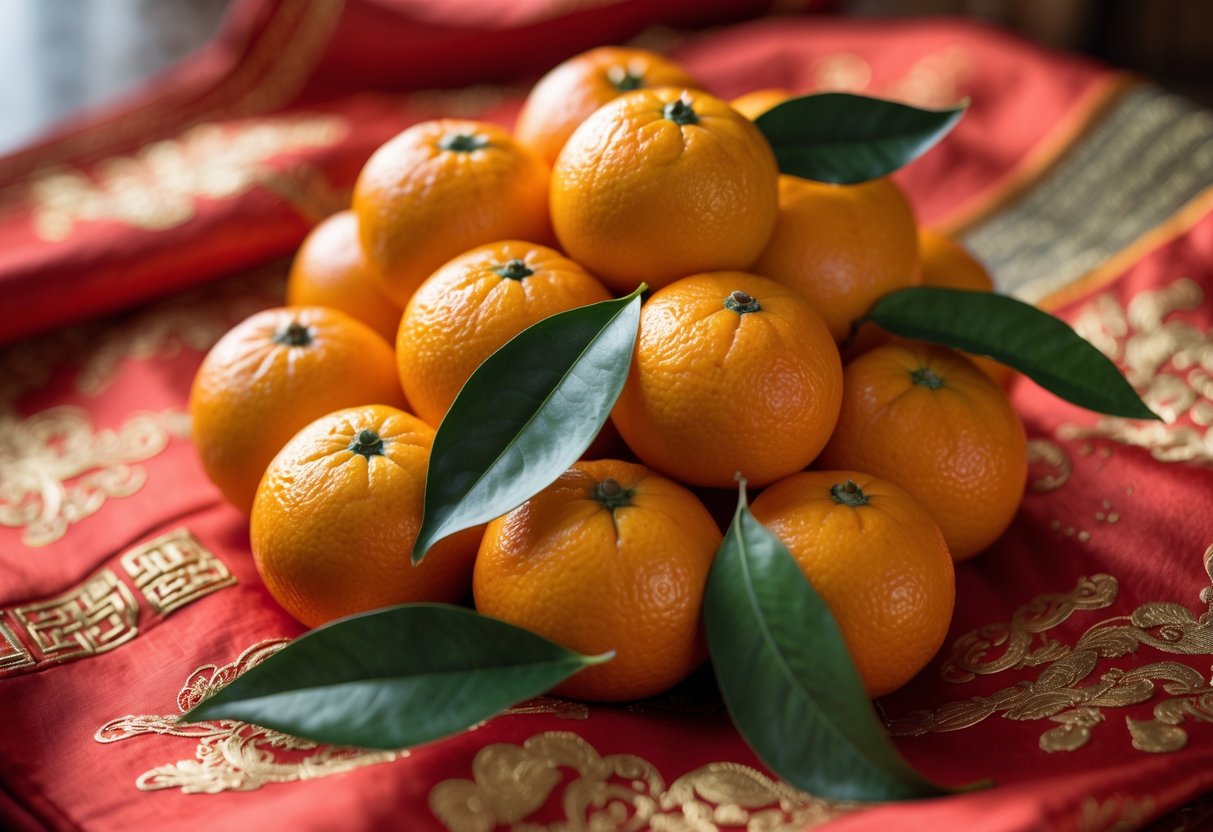
Mandarins peel easily, way more so than regular oranges, which makes sharing them a breeze. That fits perfectly with the generous spirit of the festival.
Their name matters too—depending on the Chinese dialect, it sounds a lot like words for “luck” and “gold.” That just adds to their charm. Whether you use them for decoration or as gifts, mandarin oranges carry a tradition that’s simple, meaningful, and honestly, kind of sweet.
Symbolism and Cultural Importance
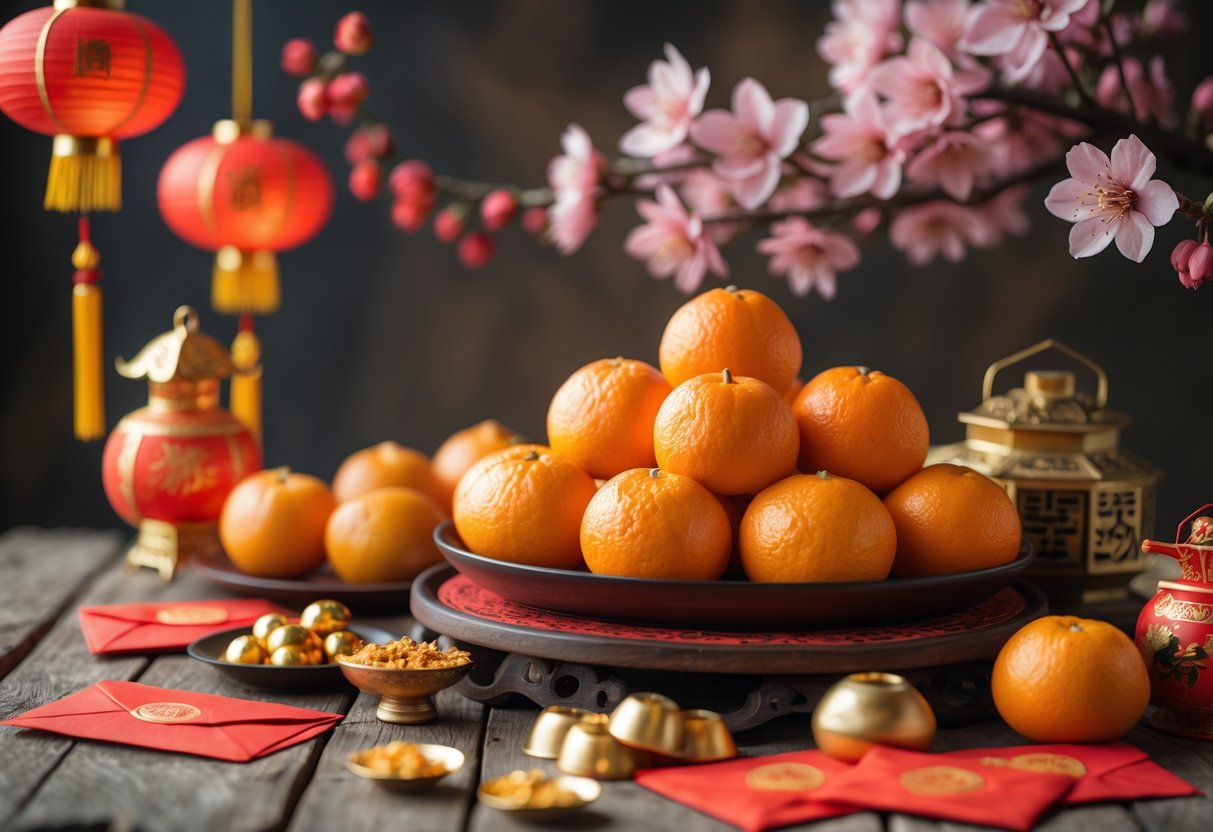
Mandarin oranges have a starring role in Chinese New Year traditions. They aren’t just fruit—they’re loaded with meaning.
You’ll notice how they connect to luck, prosperity, and positive wishes during this big festival.
Meaning of Mandarin Oranges in Chinese New Year
Mandarin oranges stand for wealth and happiness at Chinese New Year. Their bright orange color looks a lot like gold, so people naturally see them as lucky.
The round shape? That’s all about unity and completeness, which are big deals for family gatherings.
The fruit’s name sounds like lucky words in both Mandarin and Cantonese. For example, the Mandarin word for mandarin orange (ju) sounds like ji, which means good luck.
In Cantonese, gam sounds just like the word for gold. These language quirks make mandarins even more special at celebrations.
Connection to Good Luck and Auspiciousness
People believe mandarin oranges can bring good luck and keep bad luck away. You’ll often see them at home or given out as gifts in pairs.
If the fruit still has leaves and stems, it means wishes for long life and fertility. Mandarins aren’t just food—they’re little tokens to invite success and positive vibes for the new year.
Role of Mandarin Oranges in Festive Greetings
During the holiday, people exchange mandarins between relatives, friends, and even business partners. Gifting the fruit is a way to send wishes for prosperity and happiness.
Mandarins often end up on altars or as offerings at home. In southern China and Southeast Asia, they’re a must-have for Lunar New Year greetings and rituals.
These customs really help strengthen bonds and spread good wishes all season long.
Popular Varieties of Mandarin Oranges
You’ll find all kinds of mandarin oranges at Chinese New Year, each with its own personality. Some are super sweet, others peel easily, and a few just look amazing.
Knowing these differences can help you pick the perfect fruit for gifts or your own snacking.
Lukan: The Festival Favorite
Lukan mandarins are a huge hit during Chinese New Year. People love their bright orange skin and sweet taste.
They’re medium-sized and feel smooth to the touch. Peeling them is easy, so families with kids often pick these.
Their refreshing flavor and good looks make them a top choice for festive events and gifts.
Lukan mandarins also work well as decorations. Their rich color just fits the holiday’s lucky vibe.
Ponkan and Other Celebrated Types
Ponkan mandarins are famous for being sweet and juicy. They’re a bit bigger than Lukan and have thicker skin, which can be tougher to peel, but it keeps the fruit fresh.
You’ll also come across other types like the Sugar Tangerine. Their names often hint at good things, which makes them extra popular for celebrations.
Many people prefer Ponkan for their rich taste and festive look. They also store well, so you can buy them early and not worry about freshness.
Kinnow, Swatow, Dekopon, and Ponkan Compared
Kinnow mandarins are known for juicy flesh and a mild, gentle sweetness. They’re bigger and usually have seeds, so maybe not the best for kids.
The peel is thicker, but the taste often wins people over. Swatow mandarins stand out for their bright skin and strong aroma.
They balance sweet and tart flavors well. Peeling them takes some effort, but the flavor really delivers.
Dekopon is easy to spot because it’s huge and super sweet.
It’s seedless and peels easily, so it’s a favorite for gifting. Compared to Ponkan, Dekopon is sweeter, but not quite as juicy.
| Variety | Size | Peel Ease | Taste Profile | Seeds |
|---|---|---|---|---|
| Lukan | Medium | Easy | Sweet, smooth | Few |
| Ponkan | Medium-Large | Medium | Sweet, juicy | Some |
| Kinnow | Large | Thick | Mild sweetness | Many |
| Swatow | Medium | Harder | Sweet & tart | Few |
| Dekopon | Large | Easy | Very sweet | Seedless |
This table should help you decide what matters most—taste, peeling, or size.
Traditions and Gifting Practices
Mandarin oranges are everywhere during Chinese New Year. You’ll see people offering them as gifts, using them for decorations, and giving them in certain numbers to attract luck.
Knowing these customs gives you a better feel for their deeper meaning in Chinese culture.
Exchanging Mandarin Oranges Etiquette
When you exchange mandarin oranges, you’re following traditions meant to show respect and send good wishes. People usually give them in pairs, which stands for balance and good fortune.
If you can, try to present the oranges with stems and leaves attached. That tiny detail adds wishes for long life and fertility.
Giving mandarins isn’t just about handing over fruit. It’s a gesture that spreads happiness and harmony.
Always avoid odd numbers—they’re seen as unlucky. If you get oranges, accept them with both hands to show gratitude and respect.
Decorative Uses and Symbolic Displays
Mandarins often decorate homes during the festival. Their bright orange color looks like gold, which everyone links to wealth.
You might spot bowls or baskets of mandarins on tables or altars, all meant to attract good luck.
In some parts of China and other places influenced by Chinese culture, people arrange mandarins in creative displays. Sometimes they stack them in pairs or pyramids.
In Japan, mandarins even replace bitter oranges on top of kagami mochi, symbolizing sweet fortune passed down through generations.
Numbers, Pairs, and Their Significance
Numbers matter a lot with mandarins. People almost always exchange or display them in even numbers, especially pairs.
The idea comes from the belief that even numbers bring harmony and good luck. Odd numbers? Not so much.
Two is a big deal because it stands for togetherness and balance. Giving mandarins in pairs sends a message of unity in family and life.
In Cantonese, the word for mandarin (gam) sounds like “gold,” so giving two means double the wealth for the new year.
How to Select and Store Mandarin Oranges
If you want mandarins that are fresh, juicy, and full of flavor, pay attention to texture, color, and firmness. Storing them right keeps them tasty and looking good for the festivities.
Choosing Fresh Mandarin Oranges
Pick mandarins with bright, smooth skin that feels firm but a bit springy. Skip any with soft spots, wrinkles, or shriveled patches—those are signs they’re past their prime.
Look for a deep orange or golden color, which usually means they’re ripe and sweet. The heavier the fruit feels for its size, the juicier it’s likely to be.
Give them a sniff—fresh mandarins should have a fragrant citrus scent, not anything sour or off. If you see green leaves still attached, that’s a bonus sign they were picked recently.
Tips for Storage and Presentation
Put your mandarins in a cool, dry spot where air can move around them. I’d skip tight plastic bags or sealed containers—those just trap moisture and, honestly, nobody wants mold or mushy fruit. A shallow basket or even an open bowl does the trick to keep everything fresh.
If you want your mandarins to last longer, toss them in the fridge. The vegetable drawer, set around 5 to 7°C, works best. Just remember to check on them every day, and if you spot any bruised or squishy ones, pull them out so the rest don’t go bad.
For Chinese New Year, it’s a nice touch to leave the green leaves on the mandarins if you can. The leaves make them look extra fresh and, as tradition goes, they stand for strong relationships—pretty meaningful, right? Arrange the fruit loosely so nothing gets squished, and they’ll keep that bright, inviting look.
Editor’s notes
Every fruit business has a tough season. For us, it was a period when import schedules kept changing, and we had to constantly monitor temperature changes. Some days we stayed until late at night waiting for a delayed shipment so customers could still receive fresh produce the next morning. It was exhausting, but we didn’t want to compromise quality. Looking back, that season taught us resilience and discipline. It also made us appreciate our customers even more — many were patient and understanding when we explained the delays.