
Rastali Banana: Characteristics, Benefits, and Culinary Uses
Looking for a banana that actually stands out? The Rastali banana might be exactly what you want. Its unique flavor and texture make it a favorite for many.
You’ll get a sweet, aromatic taste with a firm, creamy bite. Rastali bananas are especially popular in Southeast Asia and the Malaysia. They take their sweet time to ripen, so you’ll need some patience if you want the full flavor.
When they’re ready, you’ll spot those reddish-black marks on the peel—definitely the sign to eat them. The flesh feels a bit jelly-like in the center, with a subtle tang and a mouthfeel you don’t get from your standard banana.
You can eat them fresh or toss them into banana cake. Either way, Rastali bananas bring something new to the table.
Rastali Banana Overview
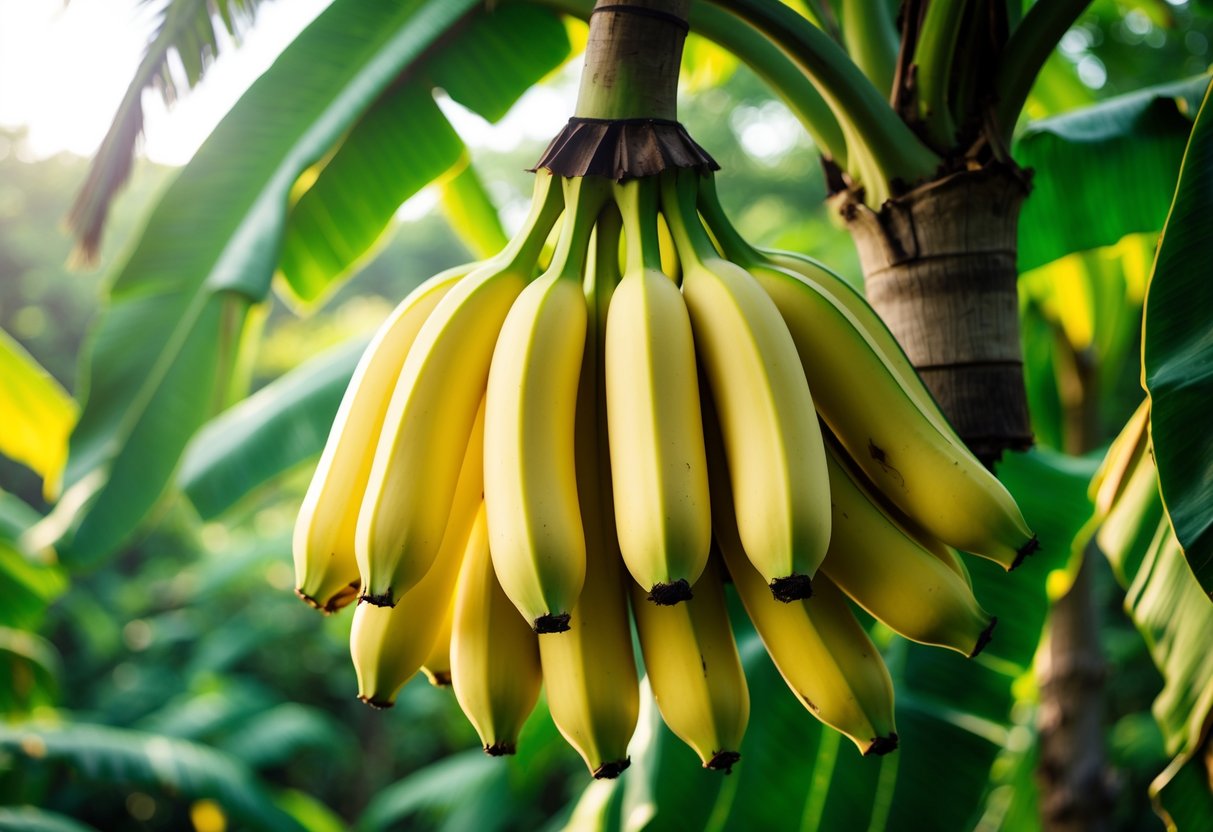
Rastali bananas have some pretty distinct traits. You’ll notice their unique look right away, and they only grow well in certain regions.
These qualities make it easier to spot them and decide how to use them in your kitchen.
Botanical Classification
Rastali bananas belong to the genus Musa, specifically in the AAB group. So, they’ve got two sets of chromosomes from Musa acuminata and one from Musa balbisiana.
That mix gives Rastali different features than the usual Cavendish bananas, which are AAA.
As a dessert banana, Rastali keeps ripening even after you pick it. It relies on ethylene gas for this, and commercial growers sometimes add extra ethylene to speed things up.
You can harvest them green and let them ripen off the plant. This helps a lot with shipping and selling.
Origin and Cultivation Regions
Farmers in Malaysia and parts of India grow Rastali bananas widely. In Malaysia, people consider them a premium dessert banana, both for local markets and export.
Rastali plants like it hot and humid—a true tropical preference. They take over four months from flowering to get ripe fruit on the tree.
That’s a bit longer than many other bananas. Each bunch usually weighs between 12 to 16 kilograms, but the ripe fruits are pretty delicate.
Physical Appearance and Ripening Process
Rastali bananas are medium in size, with fingers about 10 to 15 cm long. The peel is thin and, as it ripens, gets that signature reddish-black mottling.
Inside, you’ll find creamy flesh and a jelly-like center. The taste is mild, just a little astringent, and definitely not as sweet as some other bananas.
Since they’re climacteric, you can pick them when they’re still green. They’ll ripen naturally or with a little help from ethylene gas.
Ripe Rastali bananas bruise easily, so you need to handle them gently, especially during transport.
| Feature | Description |
|---|---|
| Length | 10-15 cm |
| Skin Texture | Thin, reddish-black mottling when ripe |
| Flesh | Creamy with jelly-like core |
| Taste | Mildly astringent, unique flavor |
| Harvest to ripen time | Over 4 months |
Nutritional Value and Culinary Uses
Rasthali bananas pack a nice mix of nutrients. They’re good for energy, digestion, and even blood sugar management.
The small size helps with portion control, and you still get that natural sweetness. They shine as a dessert ingredient or just as a quick snack.
Nutrient Profile and Health Benefits
Each small Rasthali banana has about 62 calories, with 16 grams of carbs and 1.8 grams of fiber. The fiber keeps you full and helps your digestion.
You’ll also get 250 mg of potassium, which is great for your heart and muscles.
These bananas provide vitamins B6 and C too, both important for energy and immunity. The natural sugars are balanced by fiber, so they’re a bit easier on blood sugar than bigger bananas.
They’re a solid choice if you’re watching your weight or managing diabetes.
Popular Ways to Eat Rastali Banana
You can eat Rasthali bananas raw as a sweet snack. The creamy texture and sweetness make them a treat.
People in South India often use them in desserts like payasam. The flavor really comes through without making the dish too heavy.
Their size and creaminess also work well in smoothies or fruit salads. Try pairing them with yogurt or nuts to balance out the carbs.
If you bake with Rasthali, you’ll notice extra moistness in cakes. They soak up oil fast though, so they’re not the best pick for frying or fritters.
Comparison with Other Banana Varieties
Rasthali bananas are a lot smaller than the usual Cavendish kind—about 70g instead of 118g. They also have fewer calories, sitting at 62 compared to 105.
You still get the same amount of potassium and carbs per 100g, but portion control feels way easier with Rasthali. That can really help if you’re watching calories or carbs.
If you put Rasthali up against Nendran or red bananas, you’ll notice it’s sweeter and creamier. People usually reach for Rasthali when they want something fresh or a dessert.
Nendran, on the other hand, is bulkier and works better for cooking. So, if you’re aiming for weight management or have diabetes, Rasthali’s smaller size and sugar content could be a real plus—without missing out on flavor.
Editor’s notes
When we first started sourcing fruits for eFreshFruit.com, we honestly made a lot of mistakes. We bought fruits that looked great on the outside but tasted bland inside. Over time, we learned something important: appearance is only half the story. Now, when we assess fruits, we check things that supermarkets usually overlook — aroma, firmness, and even the tiny natural marks that show ripeness. One of our packers once joked that we smell more fruits in a day than most people smell in a year. It might sound funny, but that’s how we maintain our standards. Every fruit you receive has been carefully chosen using these little lessons we’ve picked up along the way.