
Passionfruit Yellow: Origins, Nutrition, and Culinary Uses
Looking for a fruit that’s both sweet and tangy, with a bit of a tropical kick? Yellow passionfruit might just be what you need.
This bright yellow fruit stands out for its juicy, aromatic pulp and those crunchy, edible seeds. It works well in snacks, drinks, or just about any recipe where you want a burst of flavor.
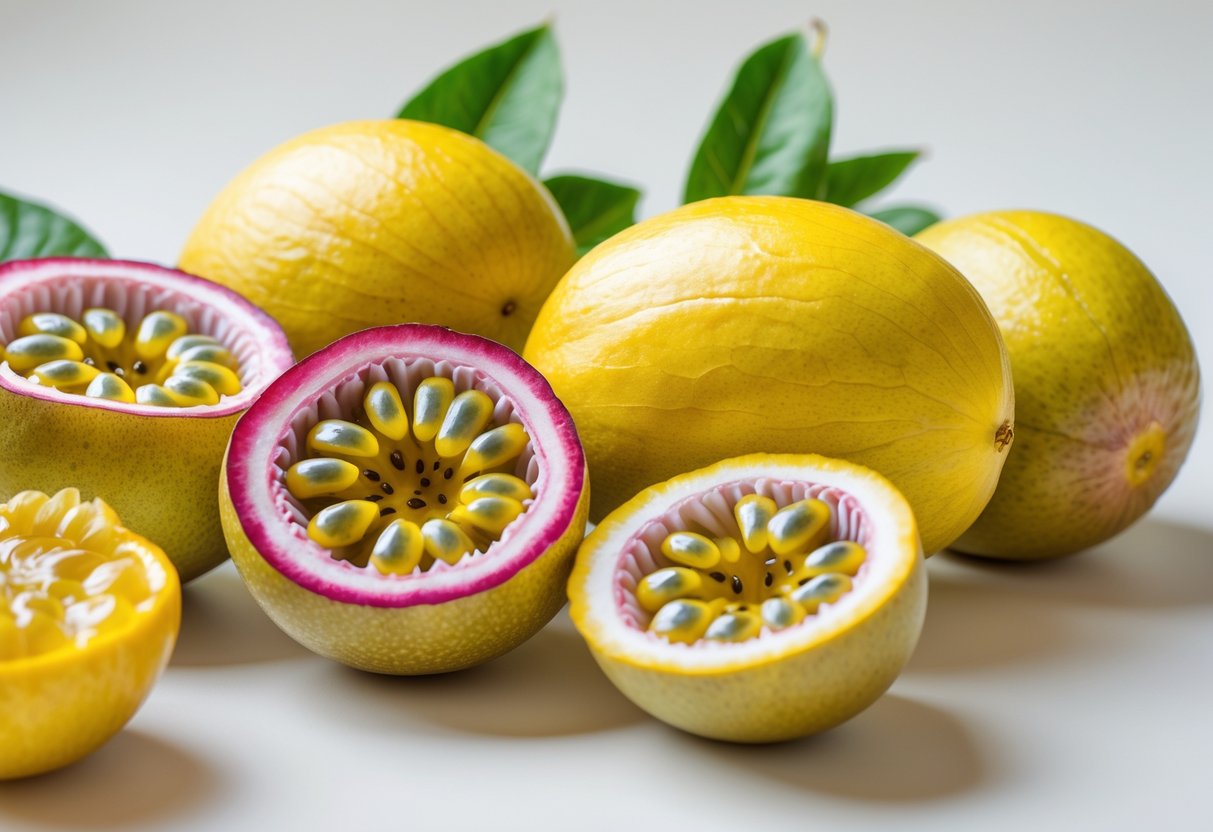
Yellow passionfruit grows on climbing vines in warm climates. People love it because it’s loaded with vitamins and antioxidants.
Its unique taste and texture can really liven up your meals, whether you eat it fresh or toss it into a cooked dish.
If you want to get the most out of yellow passionfruit, it’s worth learning how to pick and store it. Look for fruits that feel firm and smell fragrant.
Try to avoid ones that seem too soft or have damaged skin. Once you get the hang of it, you might find yourself reaching for this fruit pretty often.
What Is Passionfruit Yellow?
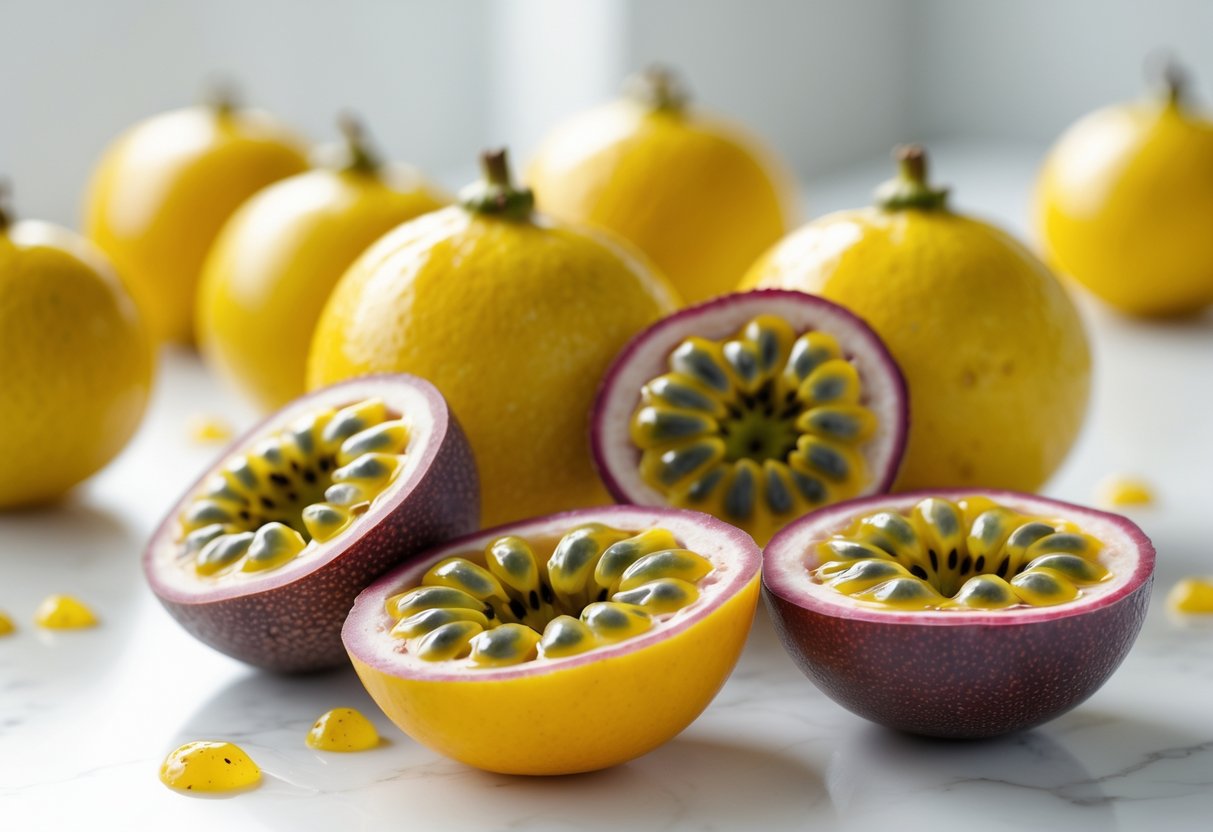
Yellow passionfruit is a bold, tropical fruit that grows on a fast-climbing vine. It looks and tastes different from its purple cousin.
If you take a closer look at its plant type and where it grows, you’ll spot it mostly in tropical and subtropical regions.
Botanical Classification and Physical Traits
Scientists call yellow passionfruit Passiflora edulis f. flavicarpa. It’s part of the Passifloraceae family, which includes lots of passionflower vines.
This vine can easily climb over 10 meters if you let it. Its dark green leaves usually have three lobes and jagged edges.
The fruit itself is oval or round, with thick, bright yellow skin. Crack it open, and you’ll see juicy, aromatic pulp packed with small black seeds.
Its flavor? Definitely tangy and a bit more acidic than the purple kind. When the vine flowers, you’ll notice big blooms—mostly white, with some purple around the center.
Bees usually cross-pollinate these flowers so the plant can bear fruit.
Native Regions and Global Distribution
Yellow passionfruit traces its roots back to South America—especially Brazil, Argentina, Paraguay, and the Amazon Basin. It loves tropical climates where it stays warm all year.
The plant thrives when there’s plenty of humidity and steady rainfall.
These days, farmers grow it all over the tropics and subtropics. You’ll spot it in places like Hawaii, Southeast Asia, India, East Africa, and northern Australia.
The purple passionfruit does better in cooler highlands, but yellow passionfruit really needs that full-on tropical heat. Because it grows fast and produces a lot of fruit, people often choose it for commercial farming in warm areas.
Nutritional Value and Health Benefits
Yellow passionfruit brings a good mix of nutrients to the table, which can help round out a balanced diet. Its juicy pulp delivers vitamins and minerals that support your health.
The antioxidants and fiber in this fruit make it a solid choice for your meals.
Vitamins, Minerals, and Antioxidants
Yellow passionfruit offers plenty of vitamin C and vitamin A. These support your skin and give your immune system a boost.
You’ll also get iron, calcium, and potassium—all important for your bones, muscles, and blood flow.
The seeds and pulp are rich in antioxidants, which help protect your cells from damage. These plant compounds can also support your eye health and vision.
It’s low in calories but high in dietary fiber, so it helps with digestion and supports your heart. The fruit contains tiny amounts of cyanogenic glycosides, but these aren’t a concern if you eat normal portions.
Health Effects and Dietary Advantages
If you add yellow passionfruit to your meals, you’ll probably notice better digestion. Its high fiber keeps your bowel movements regular.
The juice and pulp pack plenty of antioxidants. These might help your body manage inflammation and deal with oxidative stress, which, honestly, nobody wants since it’s linked to chronic diseases.
Drinking yellow passionfruit juice is a tangy, fun way to get those nutrients in. It’s pretty easy to enjoy, and it could help balance your blood sugar.
Some folks say it might even help keep your cholesterol in check. Thanks to all the vitamins and minerals inside, your immune system gets a little boost, too, supporting your overall wellness.
Editor’s notes
Seeing the our efreshfruit.com names appear week after week is deeply satisfying. It means we’ve become part of someone’s routine. That kind of trust isn’t built overnight — it’s earned slowly.