
Chinese New Year Mandarin: Key Greetings, Culture & Traditions
Chinese New Year stands out as one of the biggest celebrations in Chinese culture. If you know how to say greetings in Mandarin, you’ll fit right in and show respect in a way that feels real.
The most common way to say Happy Chinese New Year in Mandarin is “Xīnnián kuàilè” (新年快乐), which means “Happy New Year.” Families and friends use this phrase all the time during the holiday.
But there’s a lot more than just this greeting. You can pick up other phrases to wish people health, wealth, or happiness.
When you use these greetings, you’re showing respect for tradition and making a stronger connection with Chinese-speaking folks. Plus, learning these words gives you a peek into what makes Lunar New Year so special.
If you want to get the language right for Chinese New Year and maybe impress your friends or coworkers, start with these Mandarin phrases. Here, you’ll find words and expressions that make your New Year wishes feel genuine.
Essential Chinese New Year Greetings in Mandarin
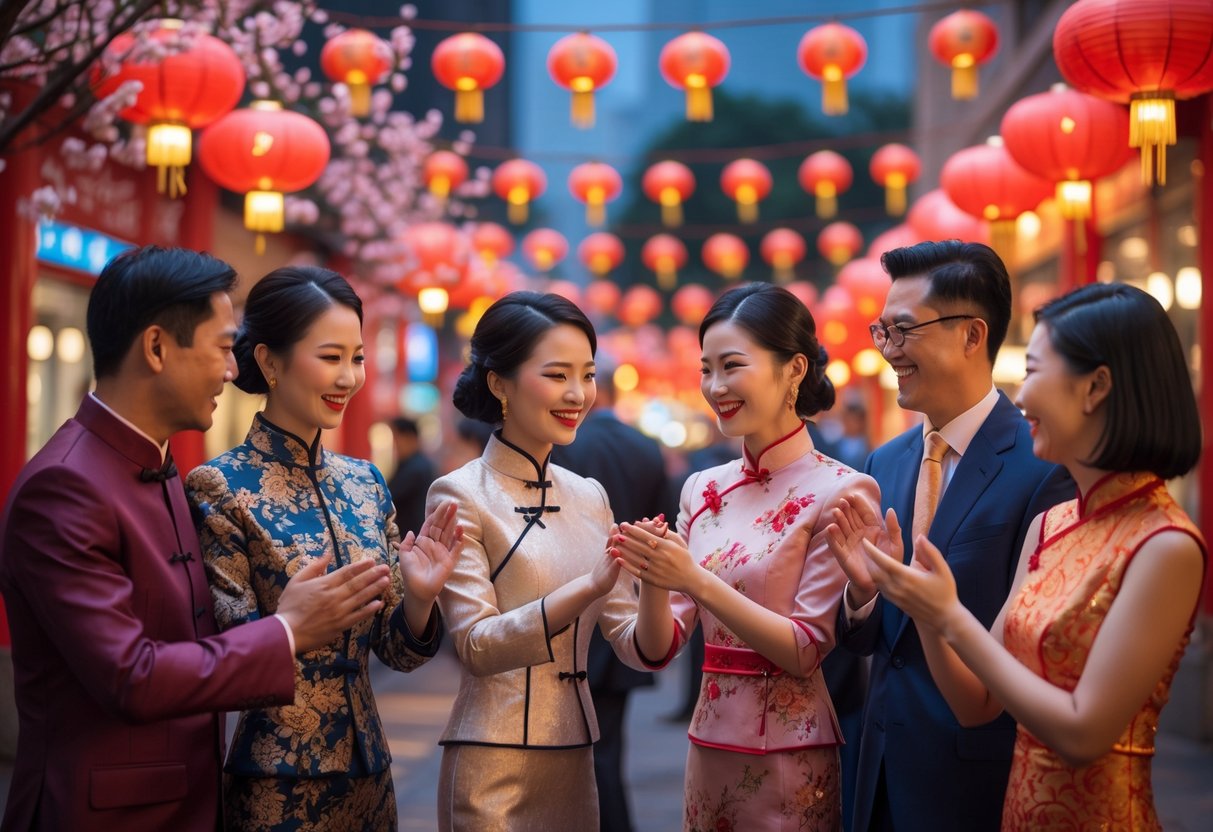
Let’s look at some phrases to greet people during Chinese New Year in Mandarin. These cover happiness, prosperity, and success.
You’ll also see how to write these greetings the right way to show your good intentions.
Most people say 新年快乐 (xīnnián kuàilè) to wish someone “Happy New Year” in Mandarin. It’s simple and used everywhere during the holiday.
For something a bit more casual, try 新年好 (xīnnián hǎo), which means “Good New Year.”
You might also hear 春节快乐 (chūnjié kuàilè), or “Happy Spring Festival.” That connects the greeting to the holiday’s official name in China, 春节 (chūnjié).
Using any of these phrases shows you care about the tradition and want to join in.
Popular Lucky Phrases and Their Meanings
During Chinese New Year, people love to use lucky phrases that wish for prosperity and success. The classic one is 恭喜发财 (gōngxǐ fācái), meaning “Wishing you wealth and prosperity.”
Here are a few more:
- 大吉大利 (dàjí dàlì): “Good luck and great profit.”
- 步步高升 (bùbù gāoshēng): “Promotions at every step.” This one’s great for wishing someone career success.
These sayings bring good fortune and work for family, friends, or even business partners.
Writing Chinese New Year Greetings
When you write New Year greetings, stick with simplified Chinese characters like 新年快乐. People usually write these on red paper or on red envelopes—those are classic symbols of luck.
For something formal, you can begin with 祝您 (zhù nín), which means “I wish you.” So, 祝您新年快乐 means “I wish you a happy new year,” and it sounds polite.
If you’re writing to someone close, you might mix phrases, like 新年快乐,身体健康 (xīnnián kuàilè, shēntǐ jiànkāng)—that’s “Happy New Year, good health.”
Writing with care and choosing the right words helps your wishes stand out.
Mandarin Phrases for Lunar New Year and Spring Festival
When you celebrate the Lunar New Year or Spring Festival (春节 chūnjié), knowing some Mandarin phrases helps you join the fun. These greetings cover the holiday itself, zodiac wishes, and blessings for health, wealth, and peace.
Using them shows respect for the culture and connects you with others.
Spring Festival Greetings
During 春节 (chūnjié), you’ll hear a few go-to greetings. The easiest is 春节快乐 (chūnjié kuàilè), or “Happy Spring Festival.”
To wish someone a Happy New Year, say 新年快乐 (xīnnián kuàilè).
Another one is 过年好 (guònián hǎo), which means “Happy New Year.” It’s all about celebrating the new year itself.
A classic you’ll hear everywhere is 恭喜发财 (gōngxǐ fācái)—that’s “wishing you wealth and prosperity.” When kids hear this, they often reply with 红包拿来 (hóngbāo ná lái), which is a polite way to ask for red envelopes.
Special Phrases for Each Zodiac Year
Each Lunar New Year lines up with a zodiac animal. You can make your greeting fit the year.
For example, during the Year of the Tiger, say 虎年大吉 (hǔ nián dàjí)—that’s “good luck in the Year of the Tiger.”
Just swap in the right animal, like Snake (蛇 shé) or Dragon (龙 lóng), to make it personal.
If you use these, it shows you know a bit about the Chinese calendar and traditions.
Wishes for Prosperity, Peace, and Success
It’s normal to wish for good health, peace, and success.
- 年年有余 (nián nián yǒu yú): “May you have abundance every year.” This one’s tied to the word for fish (鱼 yú), which stands for surplus and prosperity.
You can also say 敬祝身体健康 (jìng zhù shēn tǐ jiàn kāng) to wish someone good health respectfully.
These blessings matter because they reflect what people value most during the Spring Festival.
If you use them, you’re showing you care about others’ well-being and success in the new year.
Traditions and Cultural Practices for Chinese New Year
Chinese New Year comes with loads of traditions centered on good fortune, family, and honoring ancestors. You’ll see customs with gifts, blessings, and language that tie right into Chinese culture.
Red Envelopes and Symbolic Gifts
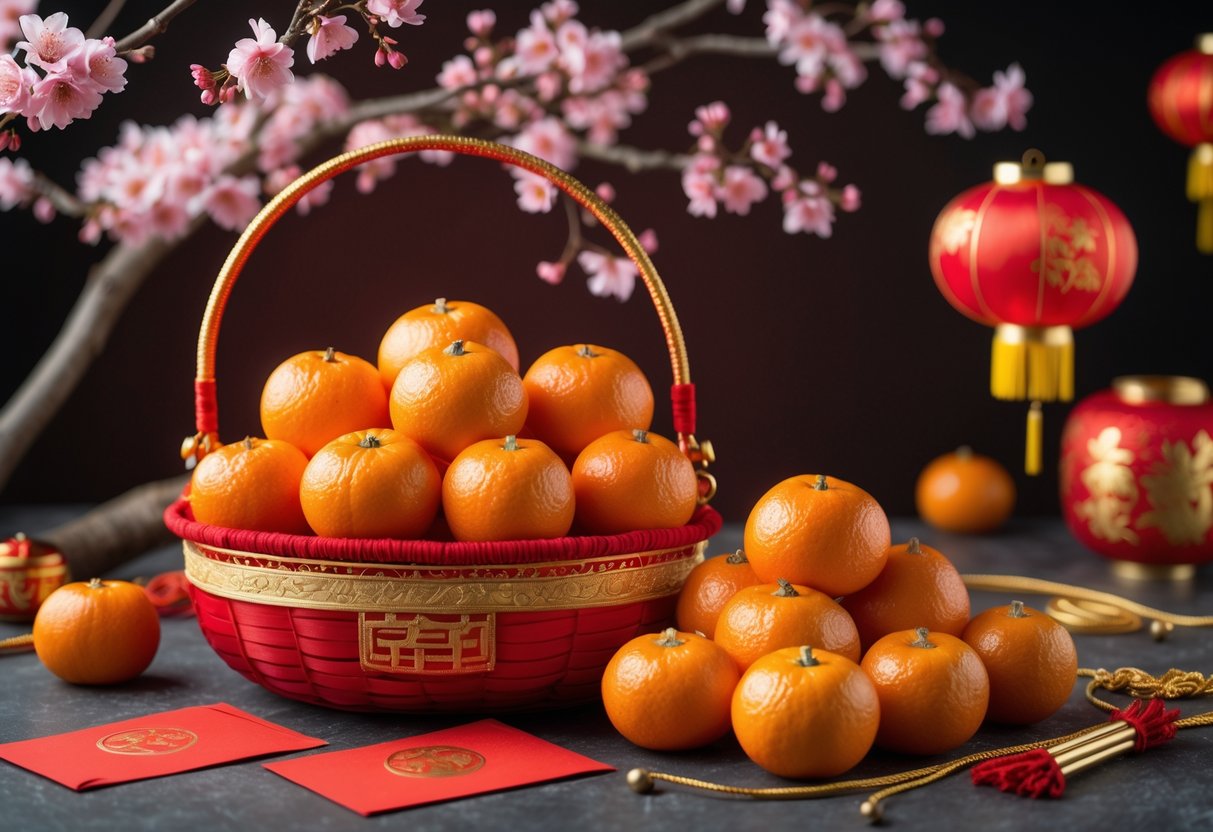
Giving 红包 (hóngbāo), or red envelopes, is a huge part of Chinese New Year. People usually put money inside and give them to children and unmarried adults.
The red color stands for good luck and helps keep bad spirits away.
The amount of money matters. Most people prefer even numbers, since odd numbers are linked to funerals. The number 9 is special and means longevity.
Some folks also give symbolic gifts like fruits or sweets to wish for prosperity.
When you hand out red envelopes, you’re spreading good fortune and blessings. It’s a way to strengthen family and social ties during the festival.
Cultural Significance of Blessings and Wishes
Blessings and wishes during Chinese New Year focus on happiness, health, and wealth for the coming year.
People say or hear phrases like 恭喜发财 (gōngxǐ fācái)—that’s “wishing you wealth and prosperity.”
These blessings usually happen at family gatherings, when visiting elders, or out in public celebrations.
People clean their houses before the holiday to sweep away bad luck and welcome in good vibes.
When you use respectful language and exchange good wishes, you’re honoring tradition and helping keep family harmony strong.
Role of Mandarin in Chinese New Year Celebrations
Mandarin Chinese really takes center stage during the festival. People greet each other, write calligraphy, and hang up decorations everywhere.
You’ll spot characters like 福 (fú)—that’s “good fortune”—pasted on doors and walls. It’s almost impossible to miss.
Folks use Mandarin phrases in songs and performances, tying today’s celebrations back to ancient traditions. Picking up a few key words or greetings in Mandarin? It honestly helps you feel way more connected.
The language even shapes etiquette. For example, it tells you when to give red envelopes or how to answer blessings.
When you speak Mandarin during Chinese New Year, you help keep the celebration’s cultural identity alive—no matter where you happen to be.