
Chinese New Year Mandarin: Essential Greetings & Traditions
Chinese New Year stands out as one of the biggest holidays in Chinese culture. If you learn how to celebrate and wish others in Mandarin, you’ll connect better with family, friends, and colleagues.
The most common ways to say Happy Chinese New Year in Mandarin are “Xīnnián kuàilè” (新年快乐), which means “Happy New Year,” and “Gōngxǐ fācái” (恭喜发财), wishing wealth and prosperity.
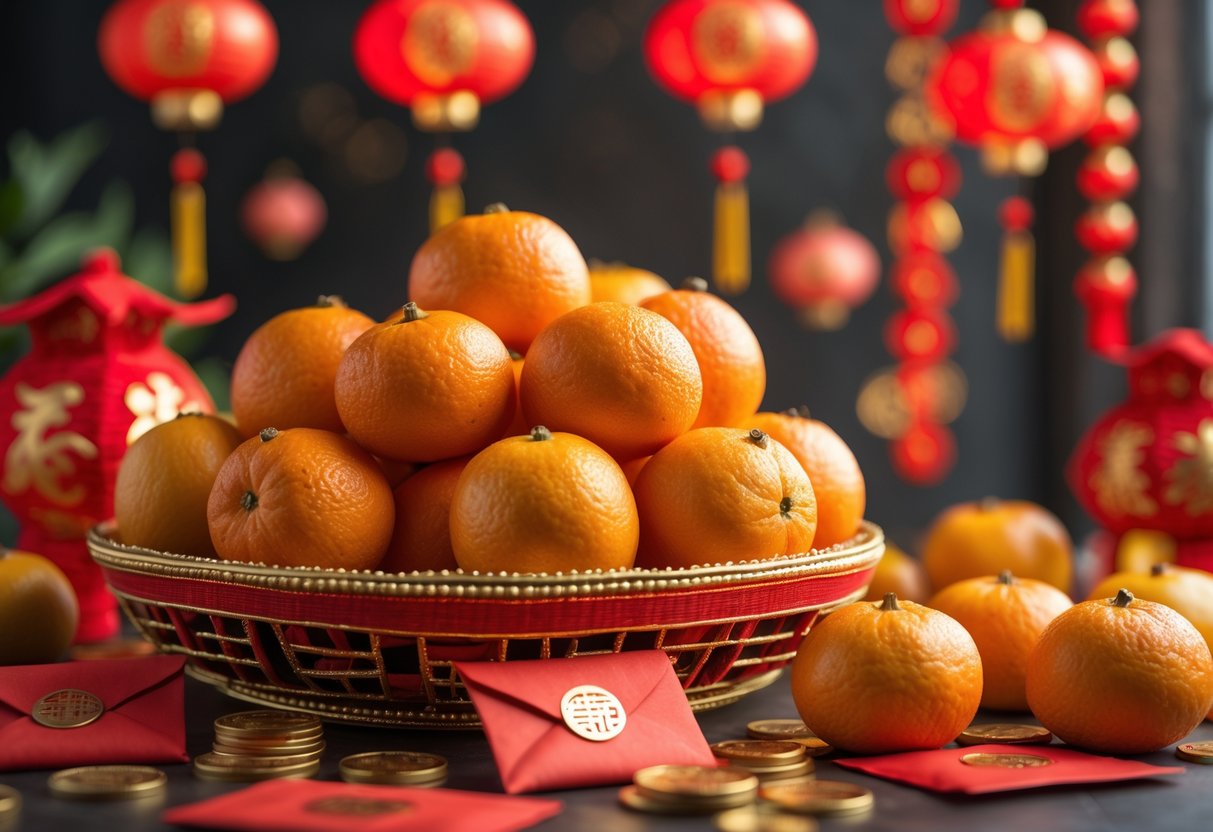
When you know these phrases, you can join in the spirit of renewal and good fortune that the holiday represents. There’s more to it than just greetings—traditional terms, special foods, and decorations all deepen your understanding of the celebration.
Learning Mandarin greetings and key words for Chinese New Year helps you express your wishes clearly and respectfully. It makes your greetings feel more meaningful and brings you closer to the heart of the holiday.
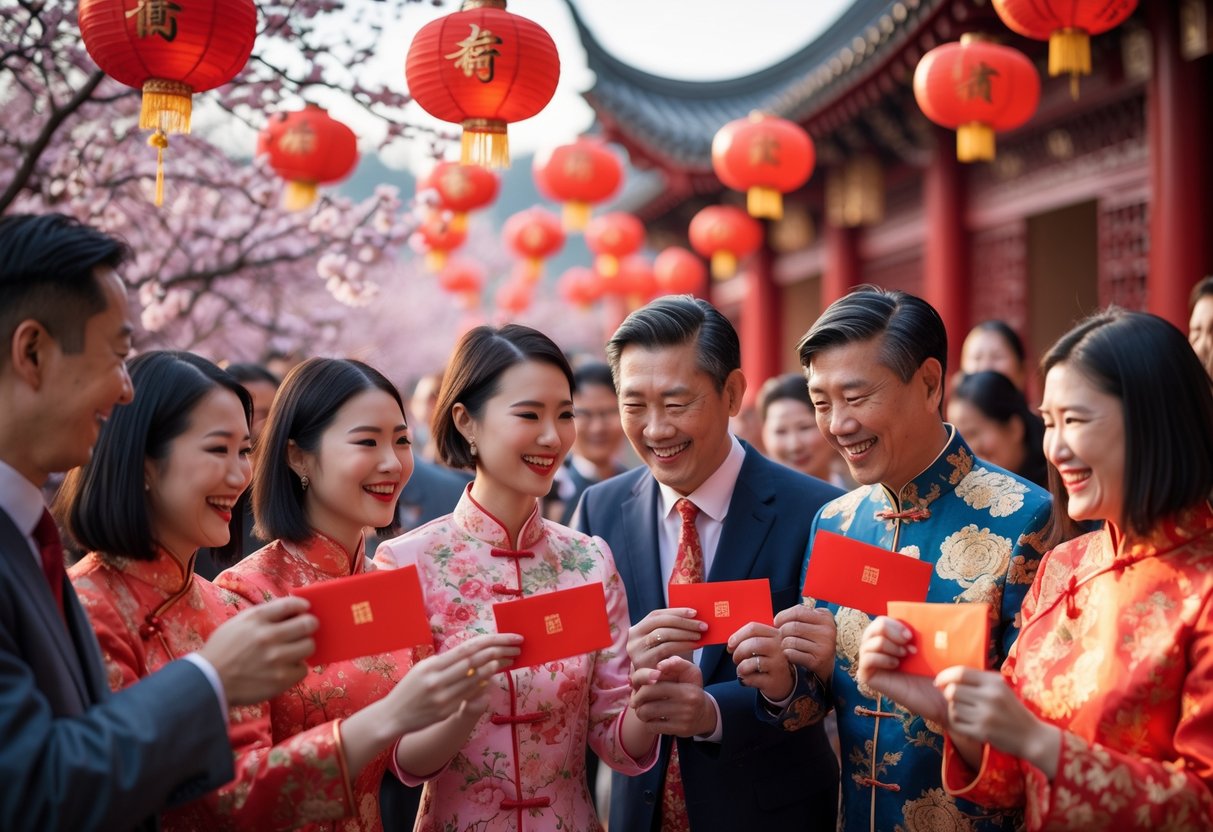
When you greet others during Chinese New Year, use phrases that convey good wishes. Mandarin has its own set of expressions for this time, ranging from casual to formal.
You’ll also hear common responses that keep the festive mood alive.
Most Common Mandarin Phrases
The go-to way to say “Happy New Year” in Mandarin is 新年快乐 (Xīnnián kuàilè). It works for friends, family, and even strangers.
Another favorite is 新年好 (Xīnnián hǎo), which means “Good New Year.” People often use this one with close friends or family.
During Lunar New Year, you might hear 春节快乐 (Chūnjié kuàilè), meaning “Happy Spring Festival.” This phrase highlights the holiday’s traditional name, 春节 (Chūnjié).
These are easy to remember and you’ll hear them everywhere.
Formal and Informal Greetings
For formal settings, try 恭喜发财 (Gōngxǐ fācái)—”Wishing you wealth and prosperity.” It’s common in business or when greeting elders.
It shows respect and hopes for financial good fortune.
Younger folks usually say 新年好 (Xīnnián hǎo) or 新年快乐 (Xīnnián kuàilè) to friends. You can also wish 身体健康 (Shēntǐ jiànkāng), which is “good health,” if you want to show you care.
If you’re ever unsure, just use 新年快乐 (Xīnnián kuàilè). It’s polite and fits almost any situation during the New Year.
Popular Wishes and Responses
You can go beyond “Happy New Year” with wishes like 万事如意 (Wànshì rúyì), meaning “May everything go as you wish.” It’s a nice way to hope for a smooth year.
If someone greets you with 新年快乐 (Xīnnián kuàilè), just reply with the same phrase or say 恭喜发财 (Gōngxǐ fācái). Both keep the good vibes going.
People also say 身体健康 (Shēntǐ jiànkāng) for good health and 步步高升 (Bùbù gāoshēng) for career success. Using these shows you know the customs and want to spread good intentions.
Chinese New Year Greetings and Their Meanings
When you celebrate Chinese New Year in Mandarin, you use greetings that express hopes for prosperity, peace, and success. These phrases carry cultural weight and people exchange them with family, friends, and colleagues.
Understanding what they mean helps you share good wishes in the right way.
Wishes for Prosperity and Success
To wish someone wealth and good fortune, say 恭喜发财 (Gōng xǐ fā cái), which means “wishing you wealth and prosperity.” You’ll hear this everywhere during the festival.
Another phrase, 大吉大利 (Dà jí dà lì), means “great luck and great profit.” It’s used to wish someone overall good fortune.
Other popular phrases include 财源广进 (Cái yuán guǎng jìn), or “may wealth flow in from all directions.” You might also hear 招财进宝 (Zhāo cái jìn bǎo), which is “inviting wealth and treasures into your home.”
When you hand out red envelopes, or 红包 (hóng bāo), you often say these greetings. It’s a way to hope the recipient finds financial success and happiness in the new year.
Wishes for Peace and Well-being
If you want to wish someone health and peace, say 万事如意 (Wàn shì rú yì)—”may all things go as you wish.” It’s a broad wish for well-being.
Another important phrase is 岁岁平安 (Suì suì píng ān), meaning “peace year after year.” This greeting focuses on safety and calm.
You can also say 心想事成 (Xīn xiǎng shì chéng), or “may all your wishes come true.” It encourages the person to go after their hopes and dreams.
These greetings show you care about someone’s health, happiness, and peace throughout the year.
Greetings for Career and Study
If you want to encourage someone’s work or studies, try 步步高升 (Bù bù gāo shēng). It means “may you rise step by step,” and people use it for career advancement.
For students, say 学业进步 (Xué yè jìn bù), which is “may your studies progress.” It’s a supportive phrase for learners.
Another good one is 事业有成 (Shì yè yǒu chéng), meaning “wishing you success in your career.” It’s a respectful way to support someone’s professional goals.
Using these greetings shows you respect ambition and hope they reach new heights.
Key Mandarin Vocabulary and Pronunciation Tips
Learning key words and how to pronounce them really helps you connect during Chinese New Year. When you know the right vocabulary, you’ll feel more confident greeting others.
A few pronunciation tips can make a big difference too.
Essential Vocabulary for the New Year
Get familiar with these Mandarin words for talking about Chinese New Year:
| Chinese | Pinyin | Meaning |
|---|---|---|
| 新年 | Xīnnián | New Year |
| 春节 | Chūnjié | Spring Festival (Lunar New Year) |
| 过年 | Guònián | Celebrate New Year |
| 红包 | Hóngbāo | Red envelope (money gift) |
| 年夜饭 | Niányèfàn | Reunion dinner |
| 鞭炮 | Biānpào | Firecrackers |
You’ll hear these in greetings and conversations all the time during the festival. Practicing them helps you join in and understand what’s happening around you.
Tips for Memorizing Greetings
To remember Chinese New Year greetings, focus on the tone and rhythm. Mandarin has four tones—get those wrong, and the meaning changes.
Try repeating phrases out loud several times.
Use lists or flashcards with Pinyin and characters together. For example, memorize 新年快乐 (Xīnnián kuàilè) for “Happy New Year.” Pair it with 恭喜发财 (Gōngxǐ fācái) for wishing wealth.
Practice with native speakers or language apps. Listening to audio clips helps you catch the right pronunciation.
Break greetings into small parts and repeat them daily—it really works.
Writing Chinese New Year Phrases
Start by learning the basic characters if you want to write greetings. Chinese characters carry meaning and beauty in their strokes.
Focus on common ones for the celebrations, like 春 (spring) and 福 (luck).
Write slowly at first to get the stroke order right. It makes your writing look proper and traditional.
Use red paper or cards—it matches the festive spirit and is said to bring good luck.
Try writing couplets or short greetings like 新年快乐 and 万事如意 (wishing all goes well). People always appreciate these, and your message feels more personal.
Mandarin and Chinese New Year Traditions
Chinese New Year, also called the Spring Festival or 春節 (chūn jié), is tightly woven into Chinese culture and language. The customs stretch over weeks, from big family meals to special greetings.
The language you use really matters in expressing good wishes and respect.
Cultural Importance of Lunar New Year
The Lunar New Year kicks off the traditional Chinese lunisolar calendar. It’s the most important festival in Chinese culture, centered around family reunion and renewal.
People celebrate not just in China but all over the world.
This festival is all about leaving the old year behind and welcoming new beginnings. Traditions like house cleaning or honoring ancestors reflect these values.
UNESCO even put Chinese New Year on its Intangible Cultural Heritage list because of its long history and deep meaning.
During this time, families strengthen bonds, show respect to elders, and prepare for good luck in the coming year.
The festival lasts about 15 days and ends with the Lantern Festival. Lanterns light up the streets, and people enjoy sweet treats called 元宵 (yuán xiāo).
Traditional Customs and Celebrations
Many Spring Festival customs focus on luck, health, and happiness. Before the New Year, families clean their homes to sweep away bad luck—this is 扫尘 (sǎo chén), or “sweeping the dust.”
On New Year’s Eve, families gather for a reunion dinner called 年夜饭 (nián yè fàn). This meal is a big deal because it brings everyone together.
You’ll often see firecrackers or fireworks, once used to scare away evil spirits, though nowadays, they’re limited in many cities.
People decorate doors with 春联 (chūn lián), red paper couplets with lucky phrases. The character 福 (fú), meaning “good fortune,” often appears upside down to invite luck.
Kids get 红包 (hóng bāo), red envelopes filled with money, as wishes for health and prosperity.
Role of Greetings in Chinese Culture
Getting the right phrases down really matters during Chinese New Year. People usually say 新年快乐 (xīn nián kuài lè), which just means “Happy New Year.” Still, you’ll hear plenty of other greetings too.
When you wish someone 吉祥如意 (jí xiáng rú yì), you’re basically hoping they succeed and that everything goes smoothly for them. Folks use these greetings when they visit friends or family—often while handing over a gift or a red envelope.
Picking up these phrases in Mandarin can help you feel more connected to people celebrating the Spring Festival. Using proper greetings shows respect and good intentions, and it really highlights the values of luck, happiness, and harmony during this special holiday.